My favorite book read last year was also my only book to receive 5 stars, and it also happened to be the last book I finished last yea. It’s also notable that it;s the first book by this author that I have read, but undoubtedly not the last.
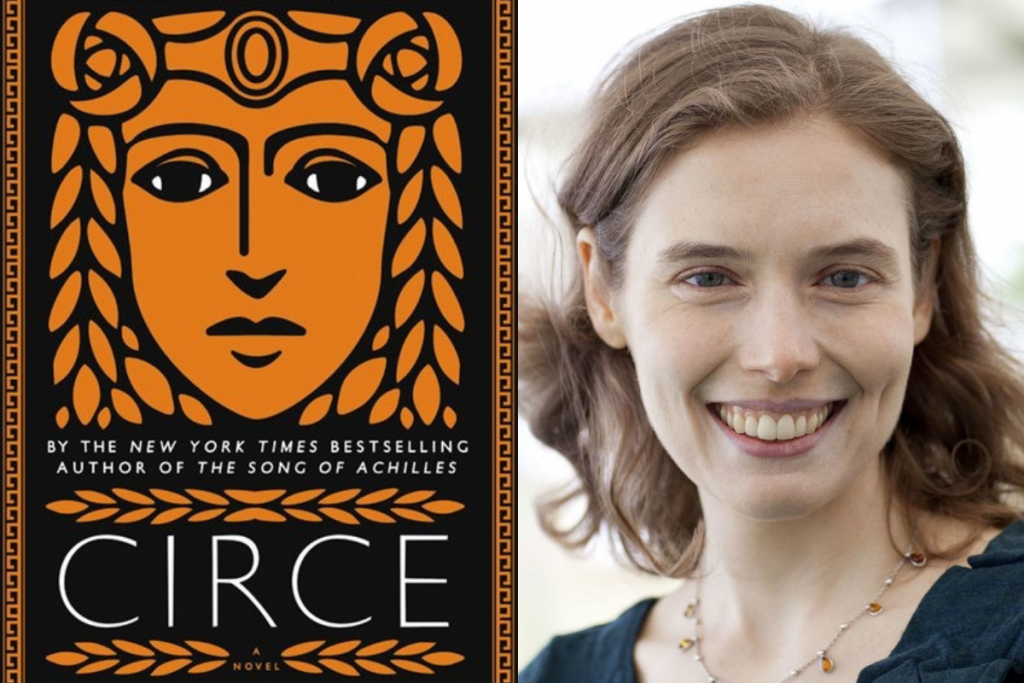 Madeline Miller has a new fan. I’ve always been fascinated by mythology, and the tales of haughty, impervious gods, and heroic, foolish mortals, and their interactions. But it’s the goddesses and heroines, who are lesser characters usually, that are the most fascinating. Miller’s novel, Circe, explores the life of a lesser goddess, daughter to a Titan and a nymph, and a witch, whose great powers come not from her divinity, but her will. In this compact, yet sprawling novel, we follow Circe’s troubled youth, leading ultimately to her exile, where she comes into her own, mastering both her fiery spirit, and her formidable powers. Other notable figures of Greek myth surround her, including the monstrous Scylla, the clever Daedelus, the horrific Minotaur, and the mighty Odysseus. Then there are the gods themselves, Hermes, Athena, Helios, and Zeus, whose uncaring, manipulative ways are in stark contrast to Circe’s compassion.
Miller’s prose is eminently readable, yet poetic and lovely. Her turns of phrase are startling, and her lengthy descriptions are surprisingly compelling. There are long passages when Circe is the only character, so there is no dialogue to break up the flow of words. I was thoroughly enchanted.
I only read a total of 27 books last year, with one re-read. I had a a lot of fun revisiting C.J. Cherryh’s novel, The Gate of Ivrel. I also read a couple of real stinkers, which will remain unnamed on this blog. And just as a reminder, here is the list of the Top 15 books read in 2002:
- Circe by Madeline Miller
- The Overstory by Richard Power
- Cloud Cuckoo Land by Anthony Doerr
- Mercy Street by Jennifer Haigh
- Run Towards the Danger by Sarah Polley
- The Presence of Absence by Simon Von Booy
- Weather by Jenny Offil
- Mrs. Kimble by Jennifer Haigh
- American Born Chinese by Gene Luen Yang
- Remarkably Bright Creatures by Shelby Van Pelt
- Engines of Oblivion by Karen Osborne)
- Men Without Women by Haruki Murakami
- Moon of the Crusted Snow by Waubgeshig Rice
- Cress Watercress by Gregory Maguire
- My Hearts is a Chainsaw by Stephen Graham Jones
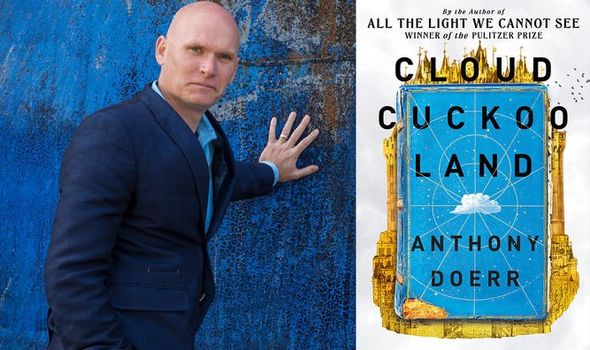 #3) Cloud Cuckoo Land by Anthony Doerr – I’m reading a run of lengthy novels that span multiple eras, this one being over 600 pages, and a significant improvement over the last. Anthony Doerr has created a science fiction epic that reached back to fifteenth century Constantinople, through present-day Idaho, to an interstellar starship decades from now to celebrate books, and libraries. The characters Doerr creates are so unique, and so enchanting, that whether they be an orphan girl/turned thief, an animal-loving outcast spurned because of his cleft palate, a Korean war veteran who missed his chance for love, a lonely, misguided boy turned domestic terrorist, or a young girl who will spend her life on a starship headed to a destination that will not be reached until long after her death, they come alive and resonate in your heart; each one bringing tears to your eyes as they reach the end of their journeys. This one is worth the time and effort and it takes you on a journey much like the ancient codex for which the novel is named.
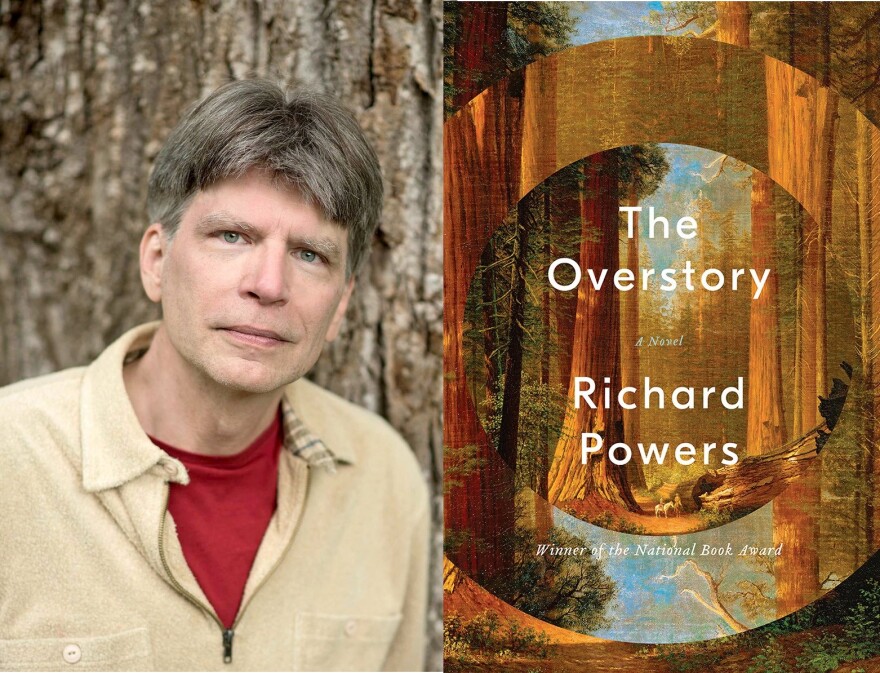 #2) The Overstory by Richard Powers – Richard Powers won the National Book Award for this epic tale that blends activism and protest with environmentalism, ecology, and the mysterious life of trees. How often have I thought about the wisdom of trees, to exist for so long, and to cover so much of the earth. What I had never thought about was the interconnectedness of these mysterious life forms; both with each other, and with the other lives that swirl around them. Powers writes a compelling story that admittedly, takes a little time to get off the ground as he introduces about ten characters whose paths we will follow throughout this 500 page book. Once I realized that this was not going to be just a series of unrelated vignettes, but a tale of lives entwined with these majestic beings, both beautifully written and massive in scope I was fully captured. An epic tale rooted in science, lofty in thought, but firmly exploring humanity at its best and worse.
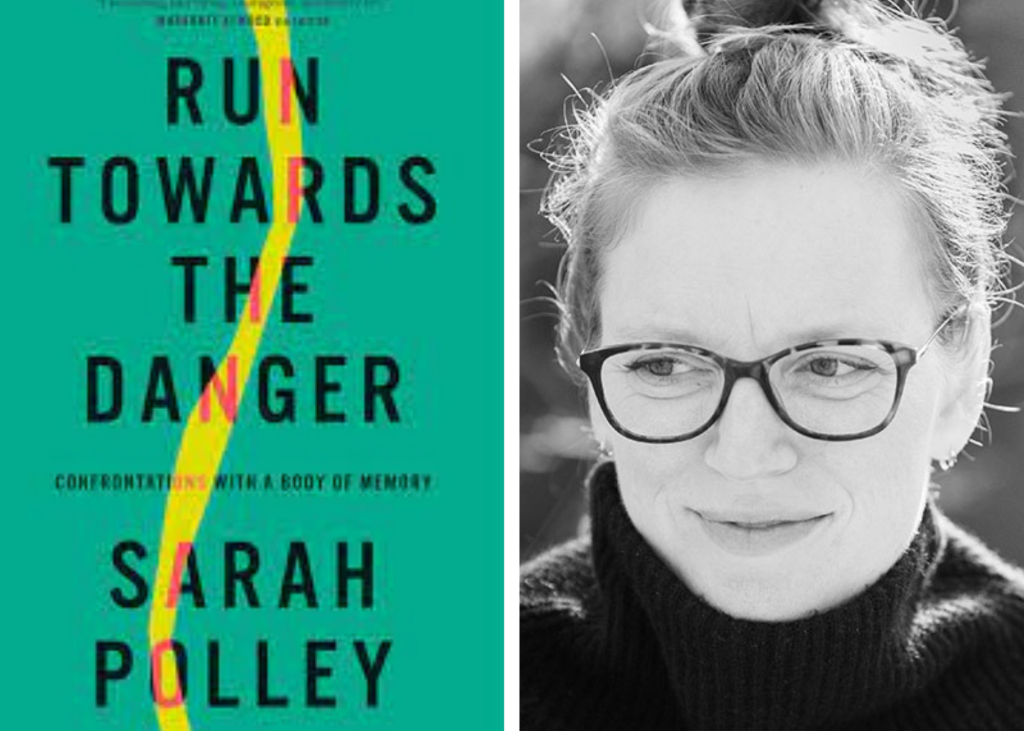 #5) Run Towards the Danger by Sarah Polley – With insightful, and introspective care, Polley chronicles some of the most difficult moments throughout her life and how they affected its trajectory. The challenges she focus on for her first book of essays are largely health issues, but sometimes brought about by the stresses and extremes she underwent as a child actor. Polley is unapologetic in her writing, yet she is also unflinching as she exposes her own neuroses, or drives, which sometimes come across as alienating. What always comes across, however, is the exploring, intelligent mind of a thoughtful, independent woman.
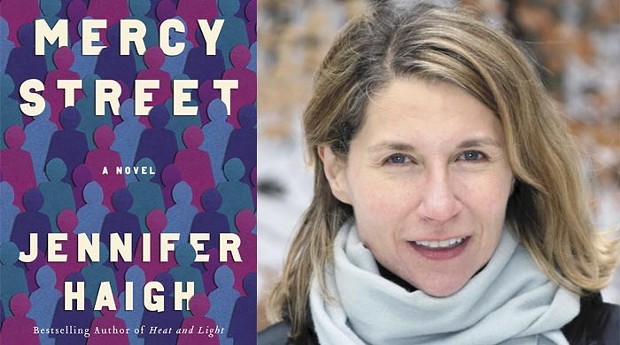 #4) Mercy Street by Jennifer Haigh – Jennifer Haigh has accomplished something remarkable in her latest novel, Mercy Street, about an abortion clinic in the heart of downtown Boston. By focusing on a variety of characters connected in some way to the clinic, their connections, however tenuous, and their lives, she lifts a potentially charged topic out of the political and grounds it securely in the personal. Haigh’s main character, Claudia, counsels patients at Mercy Street, the aforementioned clinic. Through her we meet a number of women, many quite young, who visit the clinic, but we also become involved in the life of Timmy, her pot dealer, one of his other clients, Anthony, and Anthony’s vaguely sinister online friend Victor, who goes by the name of Excelsior11.
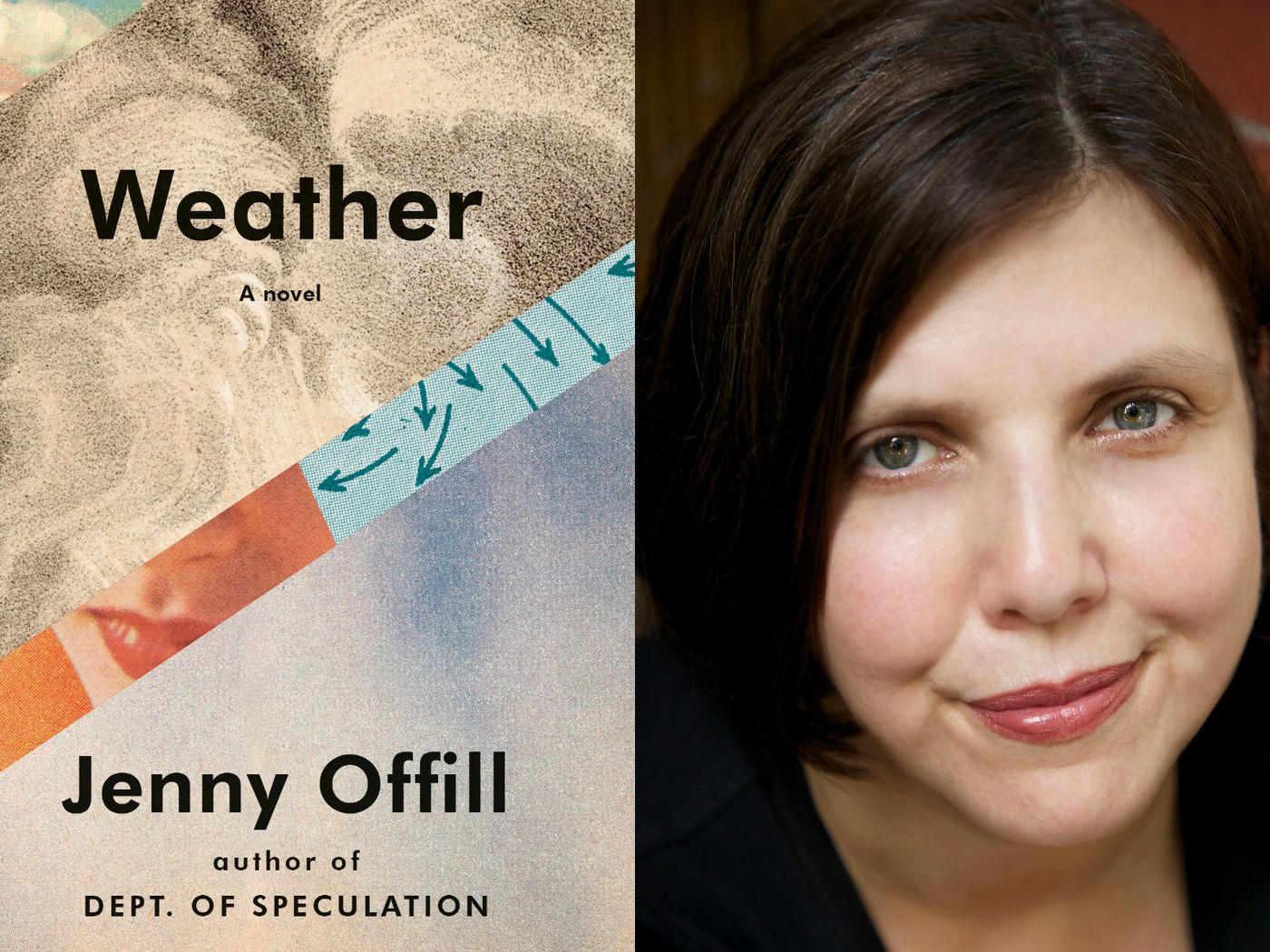 #7) Weather by Jenny Offill – Fascinating look at our moment in time as uniquely talented author Jenny Offill examines the political shift in America and how it affects us individually. Lizzie is the University library’s reference librarian who earns an additional job answering letters to a popular podcast hosted by her mentor. The podcast forecasts dark times ahead and many of the letters Lizzie handles treat her like a therapist doling out advice. Even as Lizzie gets caught up in her letter-writers’ angst, she juggles raising her young son, supporting her downward-spiralling brother, and alternatively fending-off an enticing potential affair. Offill’s writing is unique; short bits of insightful and arch observation that sometime seem disparate, but add up to a sobering yet entertaining whole.
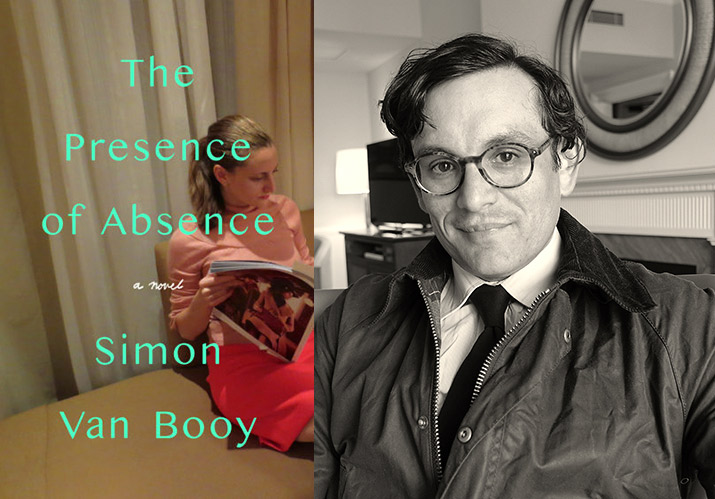 #8) The Presence of Absence by Simon Von Booy – In his elegant, thought-provoking prose, Simon Van Booy has created a beautiful gift to his fans; a fictional conversation of sorts between the author and his readers, speaking through the mouth of Max Little, an author who learns that he will die within a year or so. As his terminal disease advances, he ends up spending his last days in a hospital bed, reflecting on his life, his beloved wife, and the future… even beyond his passing. Through it all, he carries on a conversation with the reader, an asynchronous dialog that is happening as he writes it, but also as the reader reads it. The book is sectioned into two parts, “In Vivo” or, within the body, and “Ex Vivo” or, outside the living body. As you might imagine, the first part is told while Max is still alive, and the latter part years later.
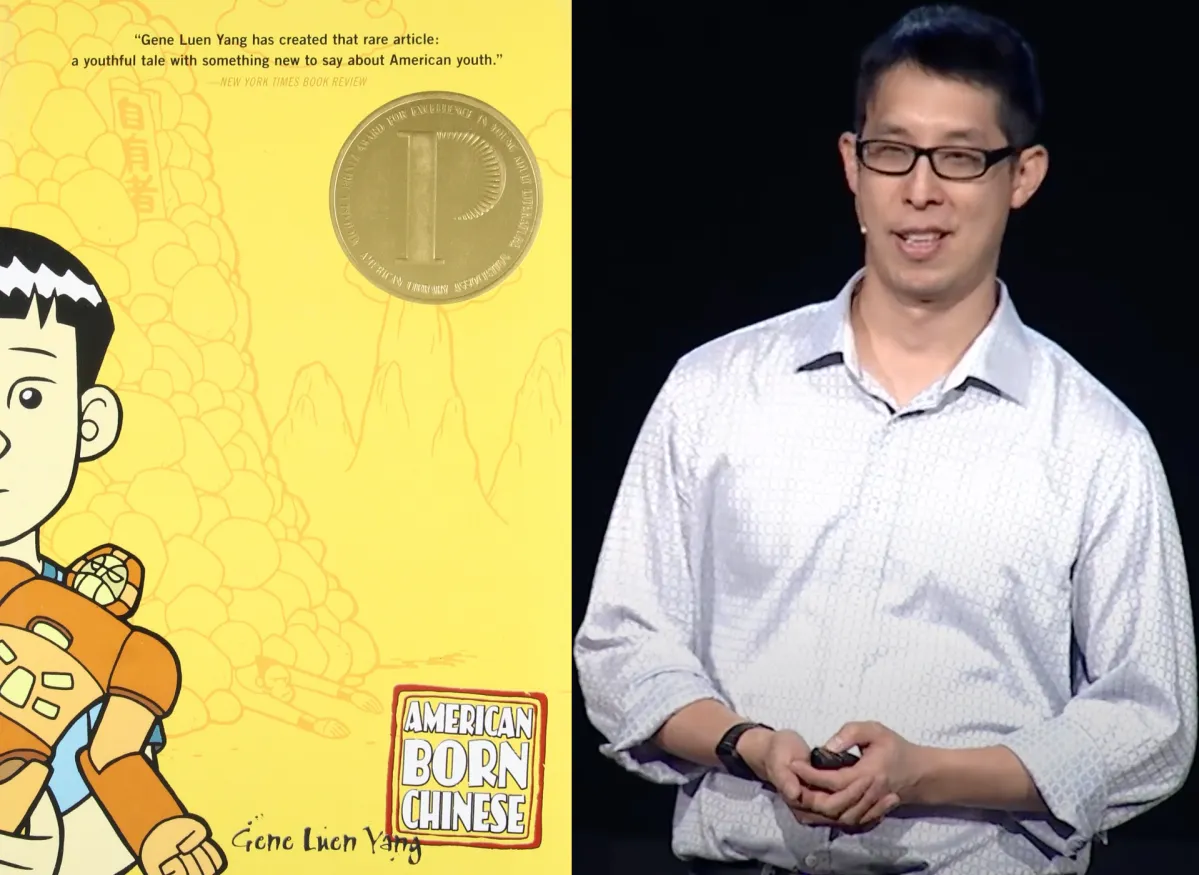 #9) American Born Chinese by Gene Luen Yang – Gene Luen Yang’s Award-winning graphic novel unfolds as three distinct stories that weave together by the book’s end. Jin Wang is the only Chinese-American student at this school, and he wants nothing more than to blend in. Danny is an All-American high school basketball star who is mortified when his Taiwanese cousin, Chin-Kee visits for a couple of weeks every year. The Monkey King strives for divinity, looking to transform his identity to something far more than he is. With an insightful eye on American youth, Yang creates a tale that will resonate with anyone.
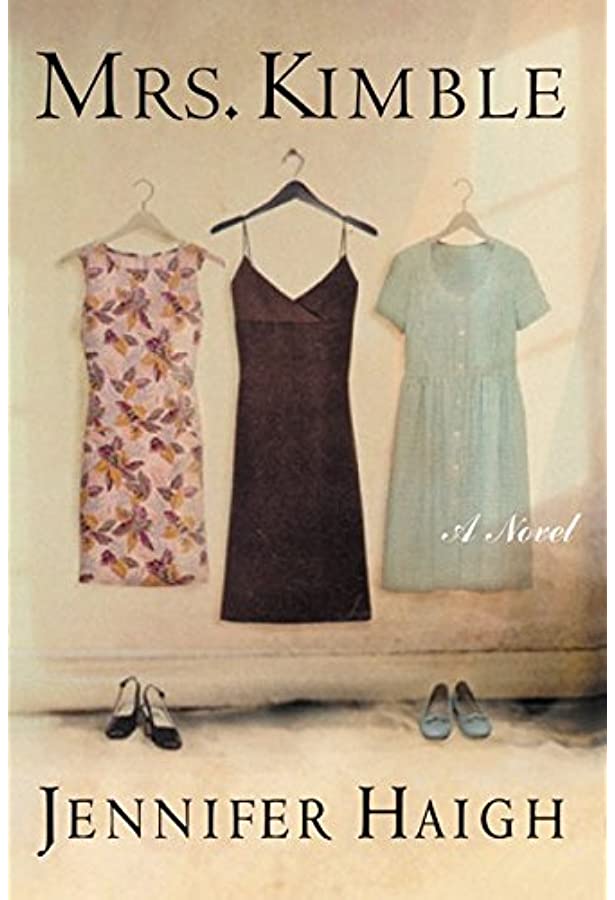 #8) Mrs. Kimble by Jennifer Haigh – Jennifer Haigh’s first novel is a tough read. Not in the sense that it is boring, or dense, or lacks punctuation or anything like that. The subject matter was just upsetting in a subtle way that felt like part of another time. Perhaps that’s a good thing in this day and age, but Mrs. Kimble focuses on a charming man of dubious ethics, who woos women, marries them, and then inevitably disappoints them. What upset me about this novel was the desperate way the three Mrs. Kimbles loved their husband. Not that it felt false, which was probably the most upsetting thing about it.