- Universal Language
- It Was Just An Accident
- April
- Rebuilding
- Plainclothes
- Julie Keeps Quiet
- On Becoming a Guinea Fowl
- Hedda
- Next Sohee
- Left Handed Girl
- The Assessment
- Where to Land
- Caught by the Tides
- Souleymane’s Story
- The Mastermind
- Resurrection
- East of Wall
- A Little Prayer
- Blue Sun Palace
- The Voice of Hind Rajab
- We Strangers
- Fantastic Four: First Steps
- The History of Sound
- A Traveler’s Needs
- If I Had Legs I’d Kick You
- Is This Thing On?
- Weapons
- Sorry, Baby
- Peacock
- Misericordia
- Jazzy
- The Testament of Ann Lee
- Oceans Are the Real Continents
- The Secret Agent
- No Other Choice
- Train Dreams
- Dead Mail
- A Nice Indian Boy
- Familiar Touch
- September 5
- Suze
- An Unfinished Film
- Bob Trevino Likes It
- I’m Still Here
- Father Mother Sister Brother
- Viet and Nam
- Ponyboi
- To Kill a Wolf
- The Girl with the Needle
- Invention
- The Practice
- D(e)AD
- Holy Cow
- Sentimental Value
- The Teacher
- Peter Hujar’s Day
- The Queen of My Dreams
- The Friend
- We’re All Gonna Die
- The Knife
- When Fall Is Coming
- Suspended Time
- Turn Me On
- Extremey Uniuqe Dynamic
- Night Always Comes
- The Baltimorons
- Or Something
- No Sleep Till
- Sister Midnight
- Nouvelle Vague
- After the Hunt
- One Battle After Another
- My Sunshine
- The Gorge
- The Plague
- Rental Family
- Wicked: For Good
- Happyend
- In Camera
- My Dead Friend Zoe
- Santosh
- The Art of Nothing
- The Birds Who Fear Death
- Lilly
- Don’t Let’s Go to the Dogs Tonight
- Sinners
- Superman
- Griffin in Summer
- Twinless
- The Kingdom
- To Live and Die and Live
- Who By Fire
- The Chronology of Water
- Harvest
- Blue Moon
- Fairyland
- Vermiglio
- Seven Veils
- Opus
- Babygirl
- Unicorns
- Regarding Us
- You Burn Me
- Friendship
- Bugonia
- Hamnet
- Lurker
- Marty Supreme
Favorite Movies of 2025, #s 6 – 10
Okay, finally plowing into the Top 10 of my films seen in 2025! There are so many great films that came out last year, and all ten of these films are top-notch films. Nice mix of international productions here, with only one American film in this grouping. Another interesting detail of note is that four out of the five films in this batch are directed by women! And without further ado… here we go into the Top 10 (staring with #10 and moving down to #6)
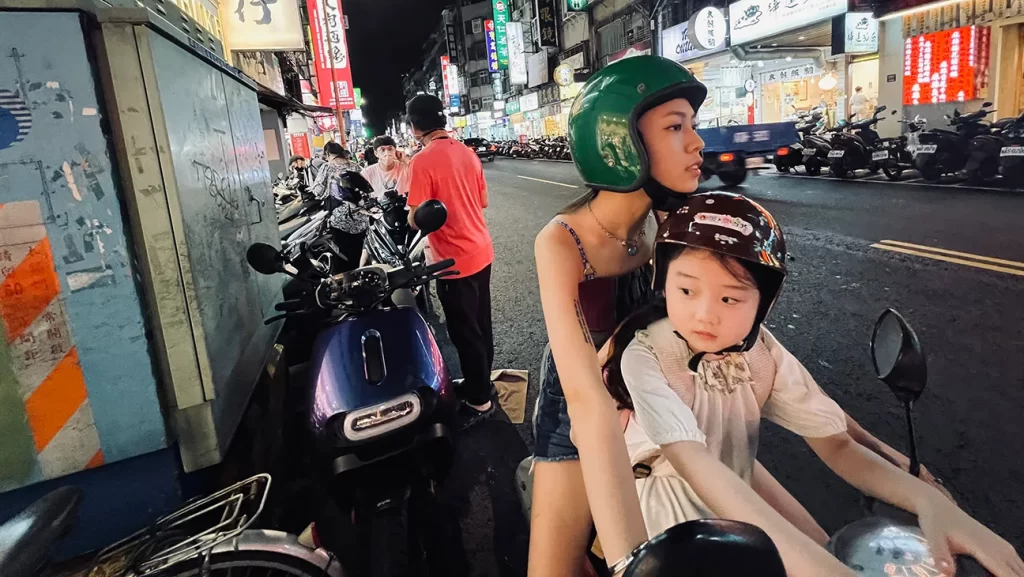
#10) Left-Handed Girl – Maybe slightly too many storylines, but first-time director Shih-Ching Tsou manages to weave them all together nicely. Both a family drama and a look at the general changes in culture in Taiwan — as well as a vivid portrait of busy Taipei, the three lead performances really shine, particularly Nina Ye as I Jing (now 9-years-old) already having appeared in 6 feature films, who shines as the titular left-handed girl. When her grandfather, a traditionalist regarding the Taiwanese ways, instructs her not to use her left hand, because it belongs to the devil, I Jing absolves herself of any activity undertaken by that hand as it’s not her, it’s the devil doing it. The film is largely seen through her eyes, and Tsou manages to balance the lack of full understanding with a larger perspective.
Director Tsou has worked on three of Sean Baker’s features, (TANGERINE, THE FLORIDA PROJECT, RED ROCKET) and he returns the favor by co-writing and editing LEFT HANDED GIRL, and while there are some similarities, I think Tsou’s voice really shines through. The big reveal at the end of the film gets a little melodramatic, but it doesn’t really take away from the freshness and great dynamic between the three women.
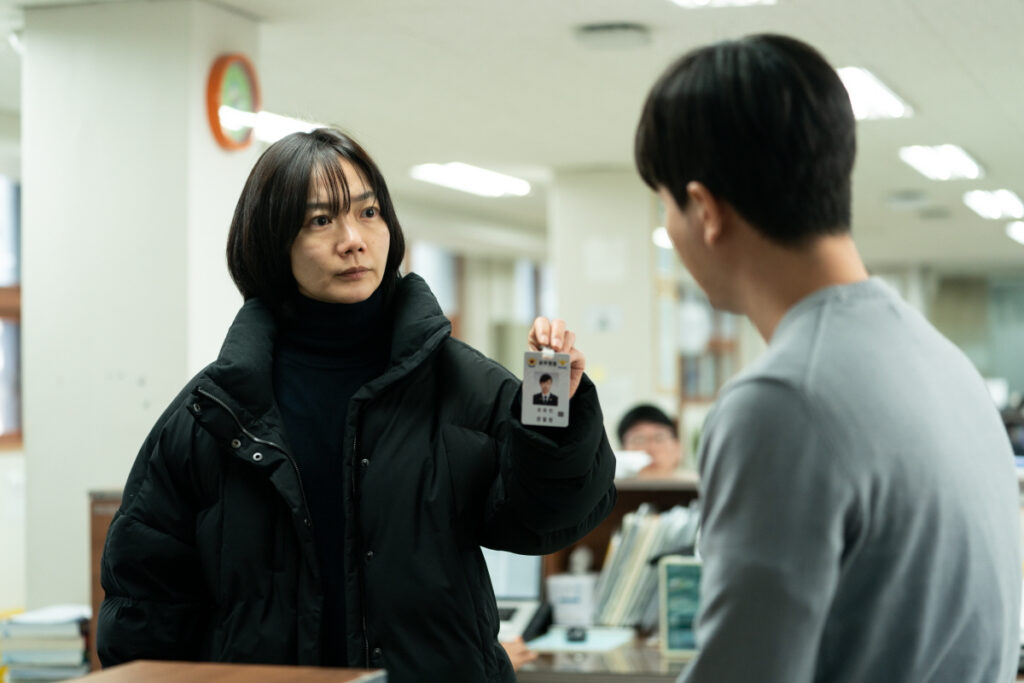
#9) Next Sohee – Very powerful story about injustice and the difficulties that come with standing up to it. Quietly mixing in elements of class and shame into a scenario that leads to a criminal investigation, director July Jung manages to enrage the viewer and break their hearts. Kim Se-eun plays high school student Sohee, who loves to dance, and puts her all into a life that’s not easy coming from her family’s place in society. When she gets a coveted spot at a service call center as an extern through her school, she expects the best, but quickly finds out everything is stacked against her.
About halfway through, the film shifts focus to Chlotrudis-favorite Bae Doona, a criminal investigator who through an initial case involving Sohee, begins to uncover outrageous, if not illegal conduct all the way up the chain to the highest powers. Like Sohee’s story before, Detective Oh faces towering opposition, but she pushes on backed by a moral outrage the she usually keeps in check. We never know the end result of her investigation, but we do get to a point where we uplift the underseen and experience a catharsis that really hits home.
Both actresses are terrific in their respective roles, as are many of the many supporting roles. It’s a tough film, but one that I highly recommend.
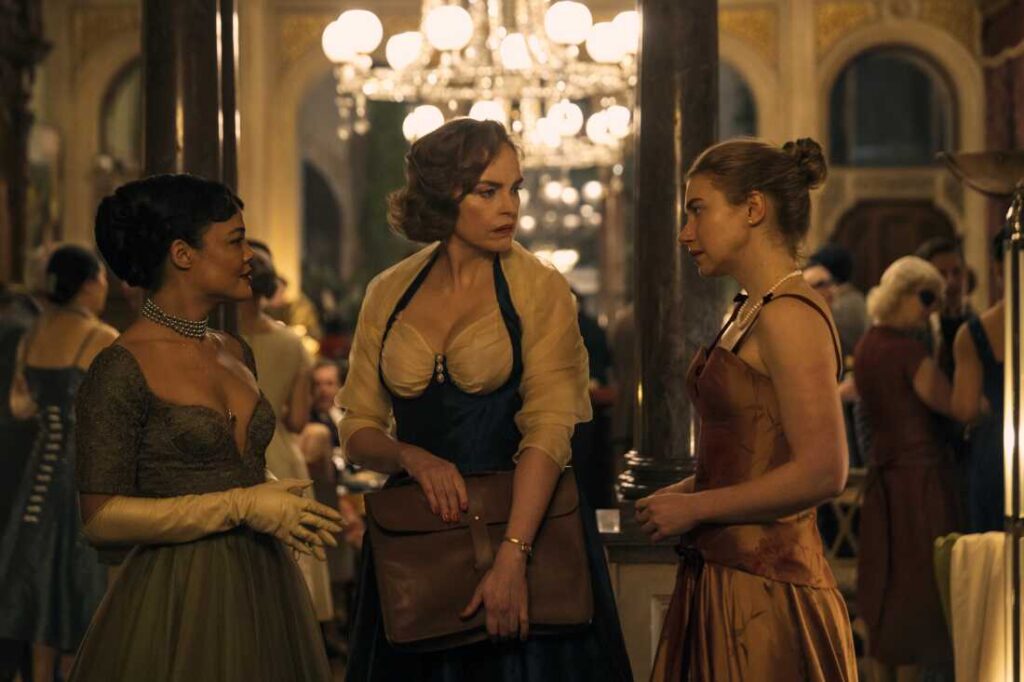
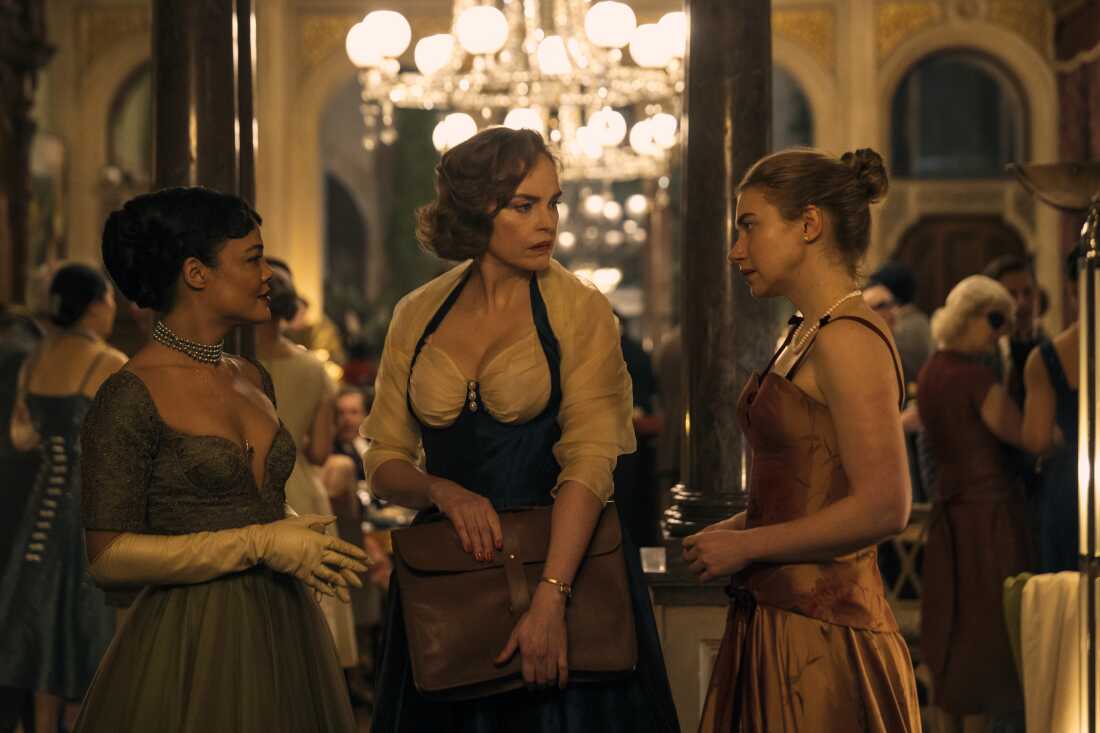
#8) Hedda – Take that SALTBURN — this is the way to make an over-the-top, sloppy melodrama of perversity and decadence. Tessa Thompson tears up the screen, ably assisted by Nina Hoss. Writer/director Nia DaCosta adapts and updates Ibsen’s play “Hedda Gabler” in drastic, but successful ways. She moves the setting from 19th century Norway to 1950’s England. She gender-swaps one of the principal characters to introduce a queer romance. She significantly alters the ending to make things more ambiguous, which serves the characters she has created much better.
The gorgeous, lush production design, taking place entirely on an estate during a wild party is benefitted by the swooping cameras, fantastic costume design (most notably and shockingly in Nina Hoss’ Eileen Lovborg), the use of indoor and outdoor settings, and the grand musical backdrop. Her writing is deft, witty, and cutting, and brought to life magnificently by her two amazing leads. Supporting work by Imogen Poots and Tom Bateman elevate the large cast beautifully. Props to DaCosta for creating something so beautiful, fun, and devious.
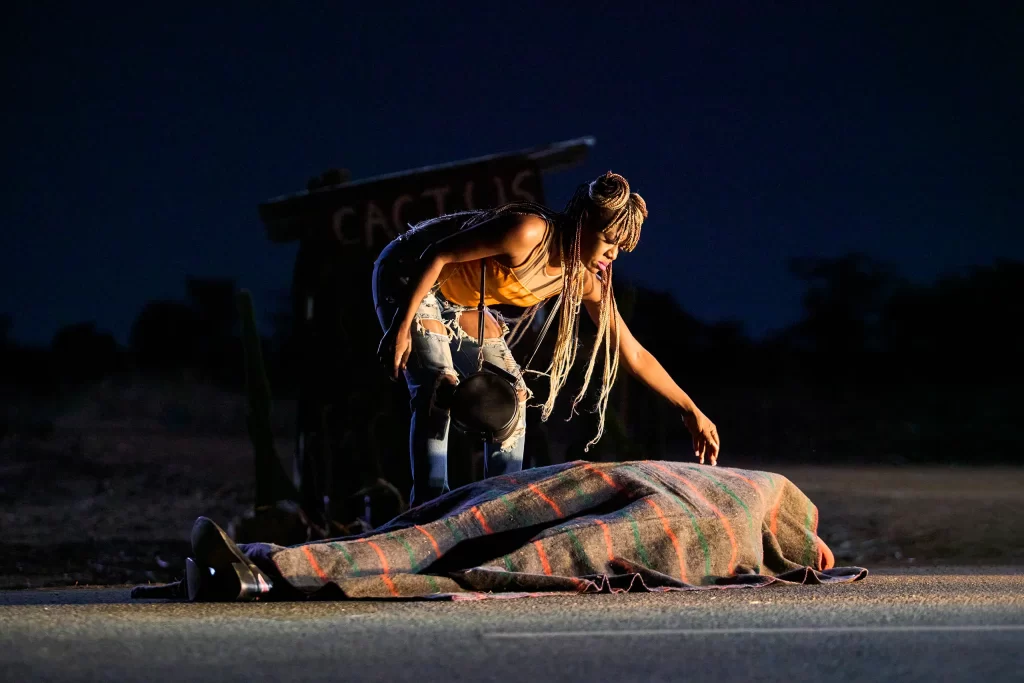
#7) On Becoming a Guinea Fowl – Returning from a party in the middle of the night, Shula finds the body of her uncle on a rural street near her home village. As her family mobilizes around her to plan a traditional Zambian funeral, Shula realizes that her contemporary city-life has moved passed many of the strange, cultural traditions that not only serve to send the dead on their way, conspire to keep from coming to light the buried secrets in her family.
Writer/director Rungano Nynoi’s 2017 feature debut, I AM NOT A WITCH made a big splash among Chlotrudis members, and GUINEA FOWL, does the same, with perhaps a slightly more traditional story, that mine even darker territory. Occasional forays into magical realism enhance a friction between contemporary and traditional life. Susan Chardy makes a bold film debut as Shula, bring her pragmatism and compassion to a complex character. Her drunken cousin, Nsansa, is played by Elizabeth Chisela, her first time on the big screen, bringing both humor and warmth to a dark and sobering story.
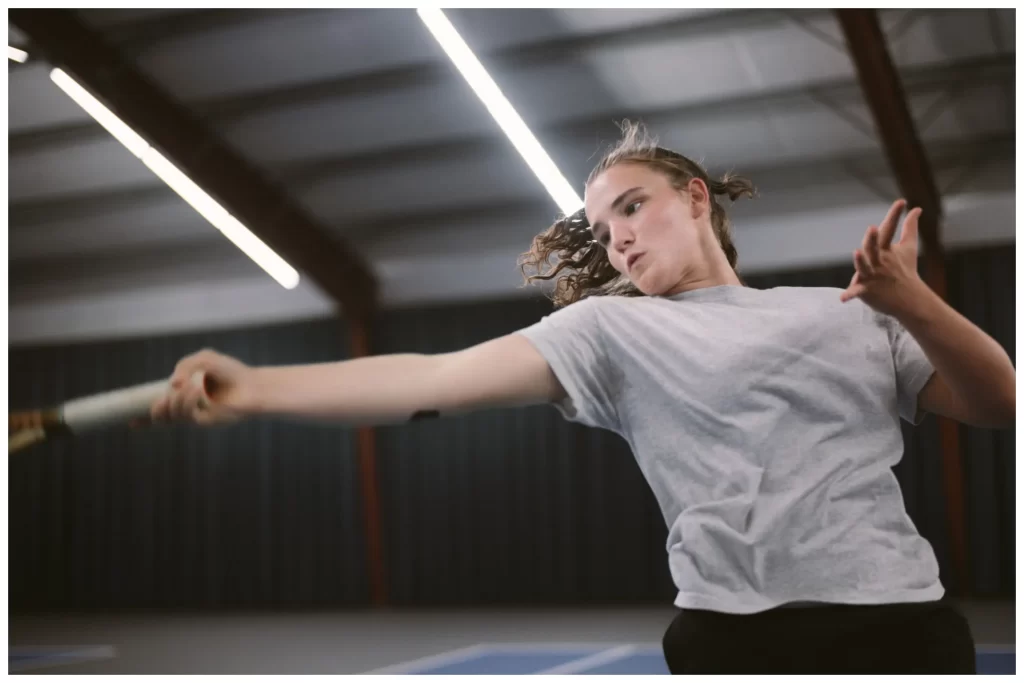
#6) Julie Keeps Quiet – This quiet (pun intended) character study of a high school student on track to become a professional tennis player who finds herself caught between an admired coach and an investigation that gets him suspended form his job is the powerful framework for this Belgian/Swedish co-production directed and co-written (with actor and first-time screenwriter Ruth Becquart) by Leonardo van Dijl. While Julie struggles with her desire to remain separate from the scandal unfolding around her, staying silent when questioned about behaviors, Dijl focuses on the physicality of the tennis playing, and the intrusive sounds of the Julie’s practicing: the loud ‘pock’ of the ball hitting the racquet, the scuffing of sneakers on the court, the powerful exhalations when striking the ball.
Former competitive tennis player, Tessa Van den Broeck, plays the 15-year-old Julie and brings a realistic physicality, and powerful internalization of feeling to the character. I was transfixed by her mesmerizing performance. In any other year, this should have ranked much higher, but the strong films in the Top five kept this one in the lower half.
Favorite Movies of 2025, #s 11 – 20

Now we’re getting into films that I really enjoyed in 2025. So many of these films could have been in my Top 10, but I saw so many films they got pushed into the Top 20. The first half of these films scored 4 cats out of 4, with the top half moving into the 4 1/2 cat range. All of these films also fall firmly into the independent film category, and it’s a nice mix of new directors, and seasoned favorites, including a comeback for a beloved director who hadn’t made a new film for quite a while.
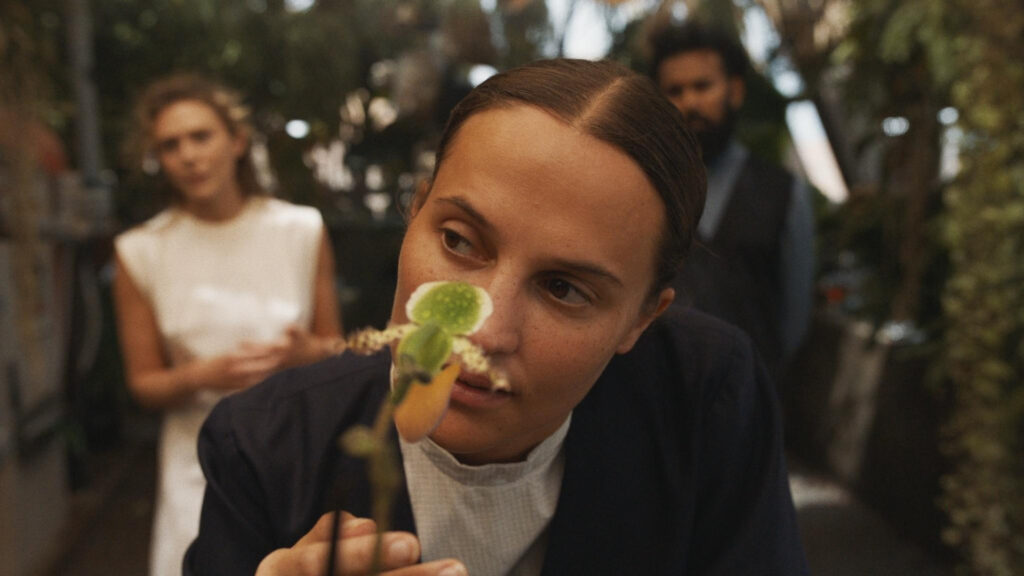
#11) The Assessment – I love a great science fiction film, and they’re hard to make. I tend to enjoy independent sci fi flicks, much more than big budget films, because the stories are usually more imaginative, and human centered. THE ASSESSMENT truly first the bill, with phenomenal direction Fleur Fortune, a great script, exquisite cinematography and really wonderful acting.
At some unspecified time in the future, “civilized” society live a monitored and controlled life under domes to protect itself from a degrading, hostile environment. A young couple decides it’s time to have a child, but to do so, they must pass a rigorous assessment to prove that they would be good parents, a method of contolling the population. This assessment consists of a week-long, in-house visit by a specially trained assessor, that puts the couple through an increasingly difficult and invasively inapproporiate series of tests that strain both credulity, and the couple’s relationship.
While Alicia Vikander, who plays Virginia, the Assessor, has the showier role, handles it beautifully, I was spellbound by Elizabeth Olson’s Mia, who is being assessed along with her husband Aaryan (Himesh Patel). The arc of her character, right through to a major revelation toward the film’s conclusion really runs the gamut of emotions, and Olson is up to the task. Wonderful, both terrifying and amusing small supporting role from Minnie Driver. Production design and cinematography are exquisite, and director Fortune has a strong grasp of her constructed world, and the people who inhabit it.
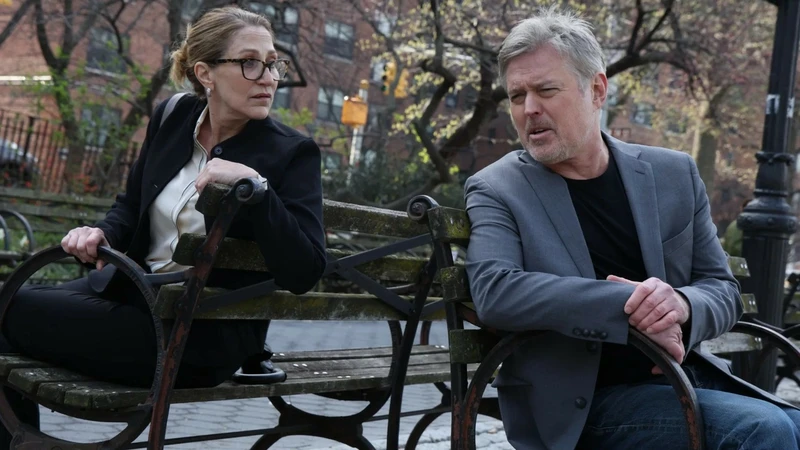
#12) Where to Land – As a major fan of director Hal Hartley’s films, especially his early ones in the late 80’s through the mid-90’s, I was brimming with eager anticipation for his first feature film since 2014’s NED RIFLE. Gathering together a nice ensemble of actors with whome he worked throughout his career, WHERE TO LAND seems drawn from Hartley’s own life, telling the story of a successful director of romantic comedies who is getting older and setting his affairs in order. When he inquires about a job as a groundskeeper at the local cemetery, his friends immediately suspect that something seriously wrong is up with his health.
Hartley’s films are funny, touching, and spend a great deal of time philosophizing about life, and WHERE TO LAND is no exception. While his early films focused on relationships and youth, it only makes sense that now in his mid-sixties, the director is focusing his philosophizing in another direction. The result is still funny and moving, and a beautiful return to form that had me choked up in the opening scenes, as his precise circular dialog washed over me like a long lost friend.
Bill Sage is terrific as the director’s stand-in, and his scenes with Robert John Burke – his co-star in Hartley’s SIMPLE MEN (1992) invoked a beautiful nostalgic feeling. Another great appearance was from Edie Falco, who was featured in several of Hartley’s earliest films. But WHERE TO LAND is way more than a nostalgia piece, as its witty and thoughtful ruminations on life, aging, and relevance are sagely discussed wrapped in the absurdity of many of Hartley’s best dialog. I hope we don’t have to wait another 11 years for another film.
#13 ) Caught by the Tides -Jia Zhangke’s remarkable film was created using footage shot over a 22-year period. In the lat nineties, Zhangke got his first digital video recorder, and was shooting things left and right. Footage and outtakes from his next three films, UNKNOWN PLEASURES, STILL LIFE, and ASH IS THE PUREST WHITE, were all incorporated into CAUGHT BY THE TIDES to tell the story of two lovers, Qiao Qiao (played by the director’s real-life wife, and former Chlotrudis nominee, Zhao Tao) and Guao Bin (Li Zhubin) over the years as they become separated and eventually find one another in present day — with the actors returning to film new footage.
As expected, the editing used in TIDES is phenomenal (and one this year’s Chlotrudis Award in that category). Zhangke creates a compelling story out of his outtakes that doesn’t feel at all forced, and ends up in such a life-affirming conclusion, just after the pandemic has kept the world so isolated. The film fill have much more resonance if you’ve seen the earlier works, but it’s not necessary. CAUGHT BY THE TIDES is a wonderful and innovative new entry in the director’s filmography.
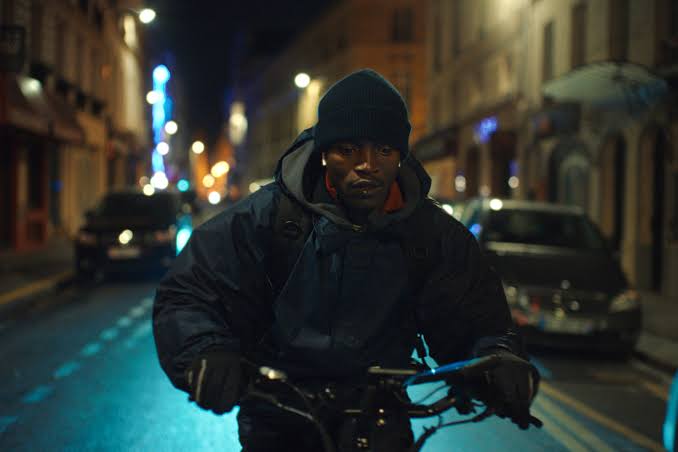
#14) Souleymane’s Story – Souleymane races through the streets of Paris on his bicycle at night, delivering meals to make money. Souleymane works tirelessly during the day to learn a story that he can convincingly tell that will move an immigration officer to grant him asylum from his home country of Ghana, and allow him to remain in Paris. We meet his sponsor, helping him prep, and his fellow refugees, all at different stages of their process, many racing from one job to another trying to get by.
Director Boris Lojkine, working from a script he wrote with Delphine Agut, keeps the intensity high, while exploring the path of a hard-working, good man must take to succeed in his quest for asylum. The script is loosely based on lead actor Souleymane Sangaré’s own story, which lends an air to authenticity. Cinematographer Tristan Galand, and the film’s incredible sound design team, immerse the viewer in the high-speed, world of busy Paris nights as Souleymane’s races from destination to destination, rushing on his bike to make appointment times, or catch buses. The first three quarters of the film uses that relentless pace to capture the desperation of Souleyman’s plight, until the final quarter focuses in on the much-anticipated interview, which turns up the intensity even higher. Sangaré’s performance ably assists in capturing our attentions and sympathies, and has us rooting for Souleymane every step of the way
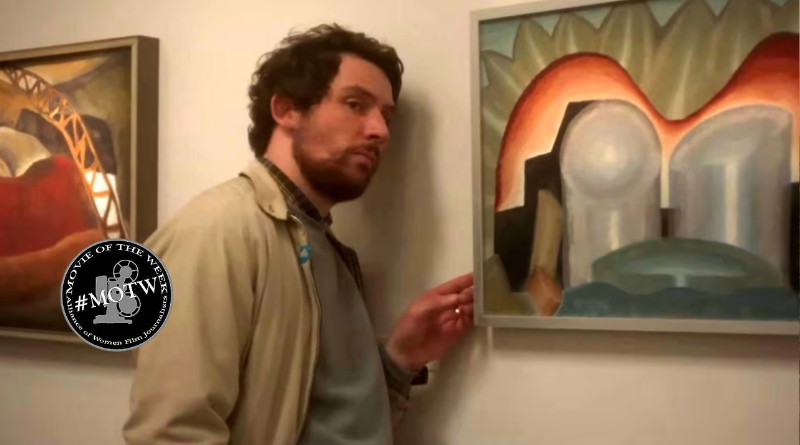
#15) The Mastermind – You know it’s a strong year if a new Kelly Reichardt film can’t crack the Top 10. It’s not that The Mastermind isn ‘t a great film, capturing a time in America in the early 1970’s with subtle beauty and an understated performance by the ubiquitous Josh O’Connor. Obstensibly, The Matermind is an art-heist film, but in typical Reichardt fashion the expected thriller aspect of the genre is subverted to examine the sheer bravura and incompetence possessed by the mastermind who planned it. What the film truly explores is a character study of a handsome, white man rolling through life with the privilege of a supportive wife, wealthy parents, bored enough to see if he can pull a crime unscathed. His male privilege highlighted by the way he ignores the transformation of the country around him.
Reichardt sets the film in a fictional museum in Framingham, MA, although sadly chose to shoot the film in Ohio. In addition to a strong performance by O’Connor, there are some terrific small supporting roles from the likes of Hope Davis, Gabby Hoffman, John Angaro, Eli Gelb, Alana Heim, and Amanda Plummer. It’s a great addition to a filmography of a filmmaker whose films I anticipate with each release.
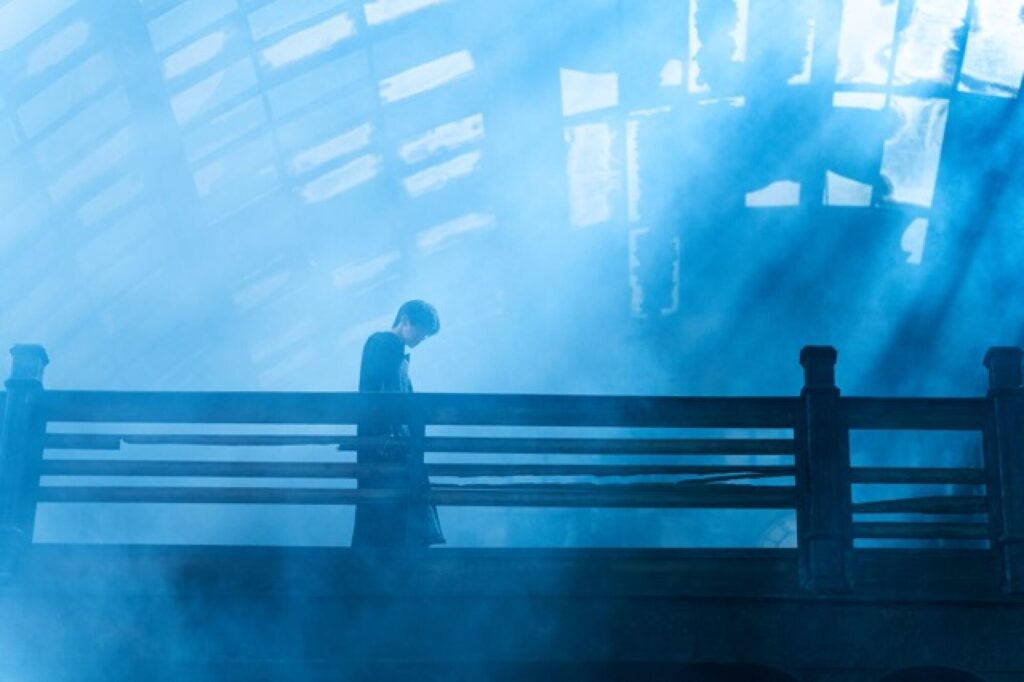
#16) Resurrection – I wish I had written a more fleshed-out review of Bi Gan’s Resurrection closer to my having seen it, as it’s the type of films, dense and somewhat opaque, that require reflection after viewing, but lends itself to losing some details months later, even after seeing it twice. I will say that after both viewings, I was blown away by the scope, visuals, and beauty of the film, as Bi Gan captures such expansive themes as cinema and the 20th century with such wonder. Needless to say, he’s one talented filmmaker.
The film is structured in a series of vignettes about a Deliriant, a being who continues to dream despite the collective decision by society to abandon that activity. The framing device, whereby the Deliriant is captured and examined before its escape is bizarre and wonderful. We follow this Deliriant as it is pursued through its dreams using a film projector, exploring the century in a series of cinematic stories highlighting the wonders of cinematography, production design, an the artistry of imagination. It’s no coincidence that Resurrection emerged during a time when the world faces a stark lack of dreaming, wonder and empathy.
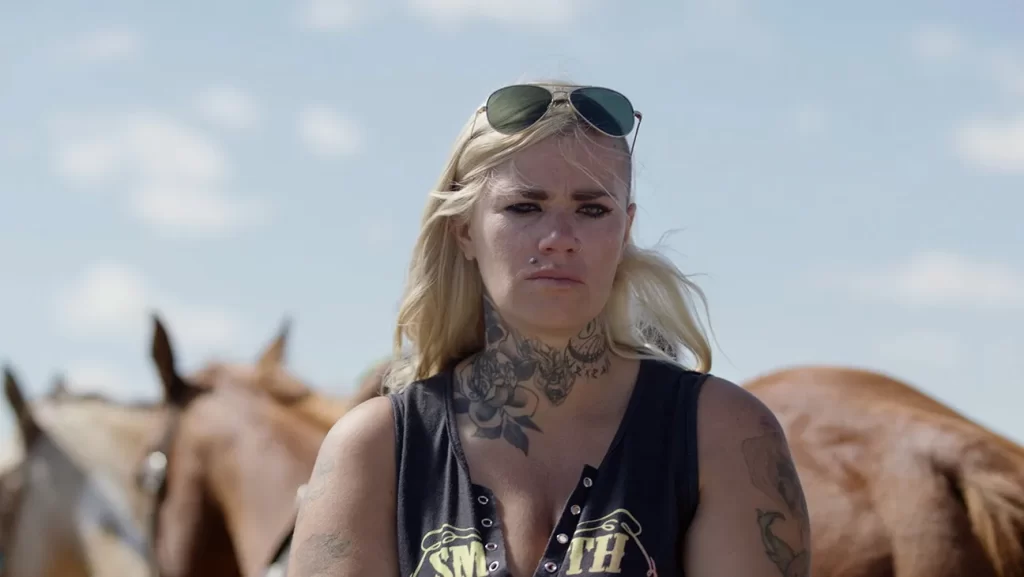
#17) East of Wall – Kate Beecroft’s debut feature, EAST OF WALL is one of those films where you can’t really tell if it’s a fictional narrative based on reality, or a documentary re-enactment with a couple of professional actors and a screenplay thrown in to give it some shape. It tackles a bunch of themes, grief, trauma life on the socioeconomic margins, being a woman in a man’s world (still) and family dynamics, tosses in some beautifully shot and integrated metaphors between the characters (mostly women) and the wild horses they work with, to create something truly beautiful.
The South Dakota ranch run by Tabatha Zimiga (playing a version of herself) provides a haven for kids whose families have failed them as has the government. Tabatha is still reeling from the sudden death of her husband a year ago, and three kids, one, the teenaged Porsha (played by Tabatha’s real daughter with the same name), just as traumatized as she is. One of the film’s professional actors, Scoot McNairy, plays a wealth Texas rancher who comes in with an offer to buy the 30,000 acre ranch from Tabatha, but let them continue to live and work it just the same. The other is Tabatha’s mom, played by Jennifer Ehle, in one of the standout performances in the film. The other, and makes the whole thing work, is Tabatha herself. Like the badlands where the story is set, there is beauty, harshness, and the threat of it all crumbling away, and Tabatha brings that to her debut on the big screen.
Cinematographer Austin Shelton, shooting his first feature capturtes some visual poetry, both from the landscape, the photography of the horses, or the long gorgeous shots of Tabatha lost in thought. Reminiscent of NATIONAL ANTHEM, but without the undercurrent of sex and sexual relationships, which this film avoided.
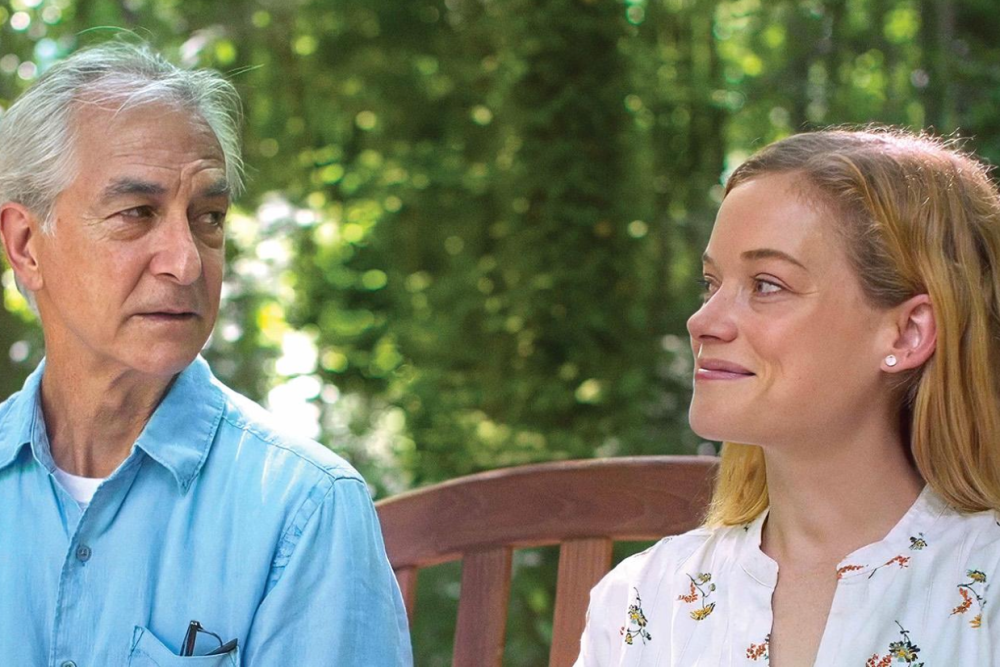
#18) A Little Prayer – I love finding these powerful, intimate films that just don’t get the same attention as the splashy blockbusters. And, of course, family dramas as my go to genre. This lovely, gentle film packs quite an emotional wallop. Quiet and understated, with some exquisite acting, and beautiful direction. David Straithairn is superb, as a father dealing with the fact that his children are in trouble. The relationship between him and his daughter-in-law, played beautifully by Jane Levy is something unique and tender. Celia Weston is also terrific as his wife and partner-in-crime.
From Angus, McLachlan, the writer/director of JUNEBUG. Makes we want to go back and look at that film again. Both share the North Carolina suburbs as a backdrop, where religion and quirky characters are important, but not overused, and not made fun of. This was a special, overlooked gem that deserves another look.
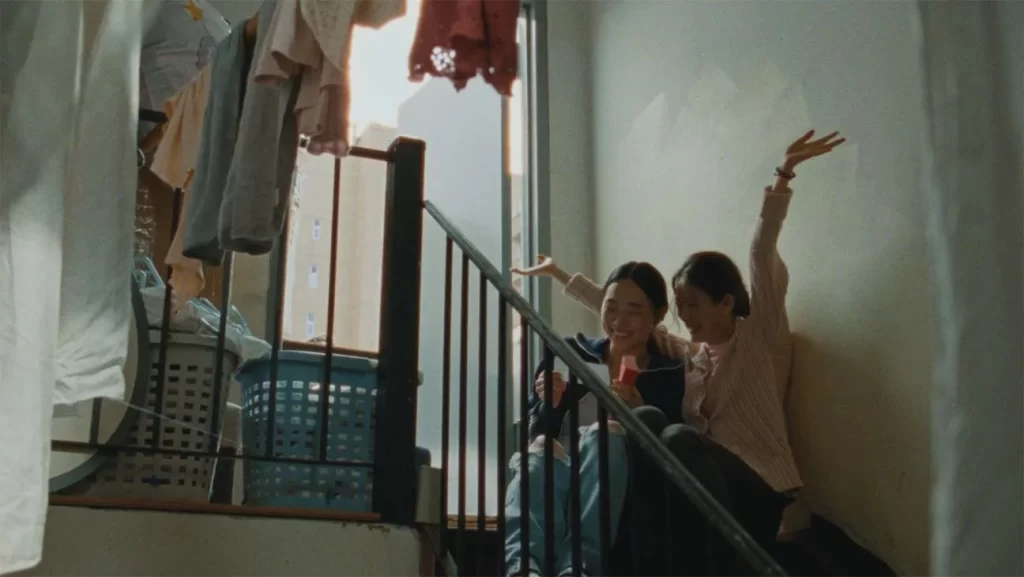
#19) Blue Sun Palace – Low-key and understated, but writer/director Constance Tsang’s debut feature, packs a strong emotional punch. The film features a lengthy prologue that leads you to believe that one character is the lead, then switches after a surprising turn of events, taking the viewer down a long unexpected path.
Tsang explores the alienation of being an immigrant in NYC, as well as the sudden grief that can totally alter the trajectory of a life. Tsang uses a less gentrified area of Manhattan as the backdrop for much of this film, and it’s instantly recognizable even if you’ve never been there. Great to see Tsai Ming-liang regular, Kang-sheng Lee in a starring role, playing his usual taciturn self. Gorgeous cinematography as the action of the film changes starkly after the first third, then morphs again toward the end.
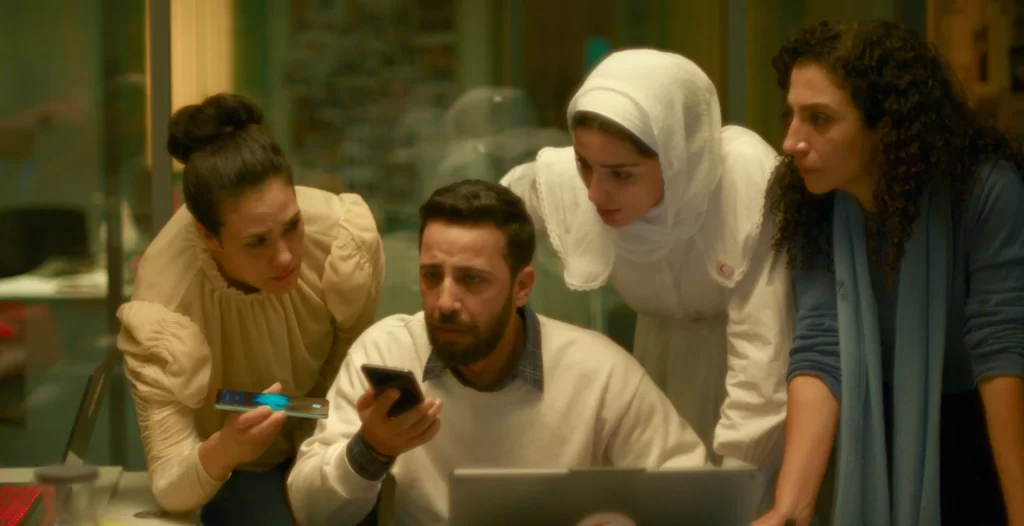
#20) The Voice of Hind Rajab – The workers of a call center struggle to help people stranded in war-torn Gaza, by negotiating with the military and the emergency responders who must all coordinate to allow movement in the area. Based on the somewhat controversial choice to use the actual voice of a 6-year-old girl who is trapped in a car with her dead family while she talks to the call center where they are desperately trying to send someone out to rescue her.
This was a tough film. About halfway through the film I started to see what this film was really about, and it’s a difficult film for sure. Great job maintaining the tension when all you’ve got is a call center and a little girl’s voice. Some really strong performances among the call center workers too.
Favorite Movies of 2025 Numbers 21 – 30!

As I move toward the Top 20, it gets harder and harder to rank these films in order. On any given day, I could tweak the order here and there. Let’s just say that all of these films are worth seeing and I enjoyed them for a variety of different reasons. This batch has quite an assortment of films low-budget indies, to big blockbusters… career making performances to quirky international fare. Let’s take a look.
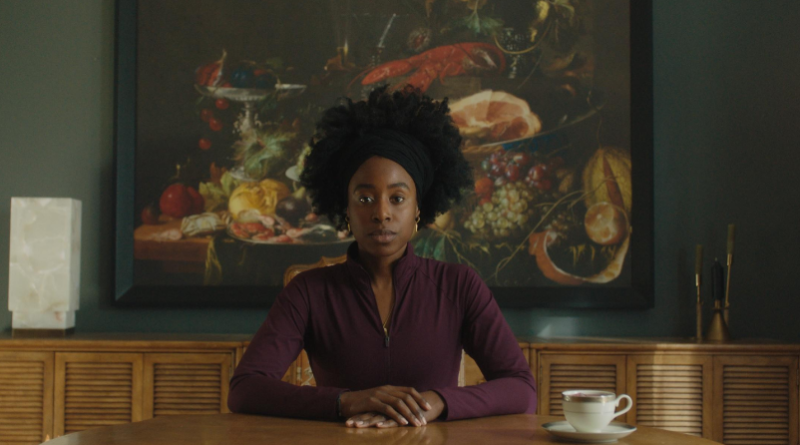
#21) We Strangers – Carefully constructed examination of race and culture in the midwest features an excellent performance by Kirby Howell-Baptiste (The Sandman) as a young woman named Ray, helping to support her mother and sister, while cleaning houses in a privileged white community. When Ray is recommended to the high-strung neighbor next door by the doctor for whom she works, she is amused to find the neighbor is fascinated by psychics. When Ray mentions as an aside that she can do that too… hear ghosts and what not, things take an amusing turn. Darkly funny and insightful, the micro aggressions are subtle… until they’re not. And Ray doesn’t just let them slide.
#22) The Fantastic 4: First Steps – Marvel made a good decision to tap Matt Shakman, show runner for their innovative WandaVision series, to direct The Fantastic 4: First Steps. While the film has its share of high-intensity action sequences that are de riguer for superhero flicks, it spends a fair amount of time developing the characters in a way that seemed natural.
It’s nearly a perfect Fantastic Four adaptation for me, with very little to quibble about. To be fair, The Fantastic Four is my favorite comic book at the moment, and has been for quite a while. And The Invisible Woman, one of the members of this superhero team is my all-time favorite comic character when written well. The characterization in the film was great, the focus on family was much appreciated (true to the comic). The casting was terrific. It wasn’t just a big, dumb action movie, like most comic book movies. The humor felt natural, not shoe-horned in. There were some nice surprises not spoiled in the trailer. Susan was just great, and Vanessa Kirby portrayed her beautifully. Pedro Pascal captured a really accurate portrayal of a genius on the spectrum, yet somehow still empathetic Reed.
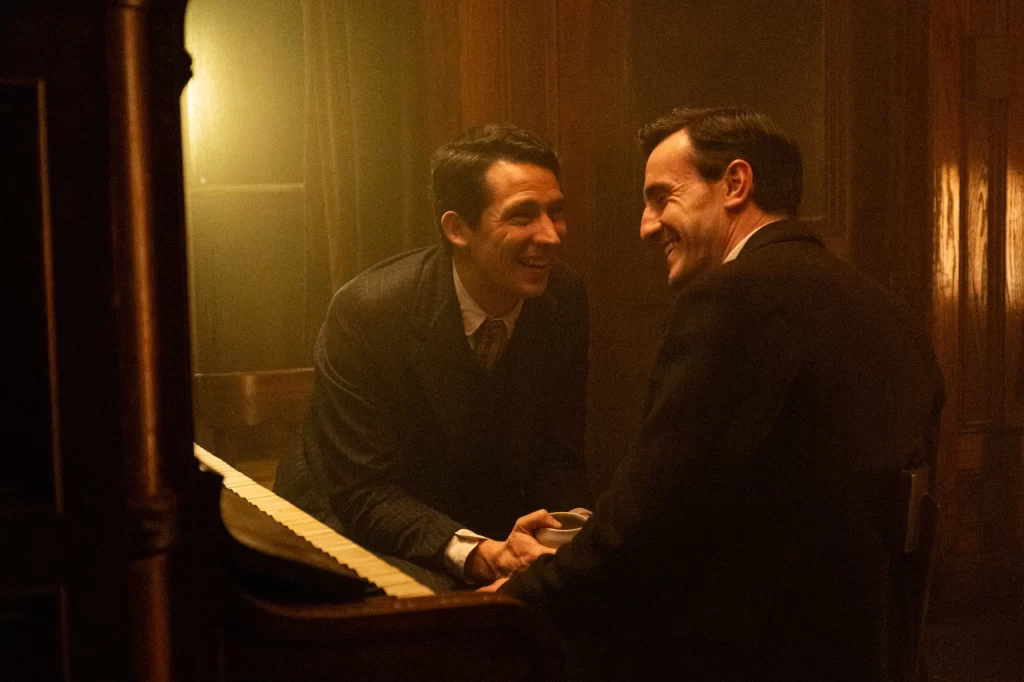
#23) The History of Sound – Critics have called this movie boring, but I found it beautiful and moving, with muted, gentle performances, and lovely look at the history of folk music, and gorgeous cinematography. Set during WWI the film follows Lionel (Paul Mescal) who leaves his family farm in Kentucky to attend the New England Conservatory of Music. He meets David (Josh O’Connor) in a pub, and the two begin a physical relationship. As they grow closer, David is drafted into the war, and Lionel returns home. Two years later the two are reunited when David returns home and begins work at a college in Maine where he is to travel around rural America capturing folk songs on wax cylinders. David and Lionel rekindle their relationship, only to party ways again. for decades.
This gentle story is buoyed by Paul Mescals nuanced, internalized performance, stunning cinematography, and some really lovely music. The languid pace and melancholy tone suited the subject matter for me, and I enjoyed the film very much.
#24) A Traveler’s Needs – Prolific filmmaker Hong Sang-soo, who seems to make at least two feature films a year, brings in an international heavy-hitter for A Traveler’s Needs, by adding Isabelle Huppert into the mix. Huppert’s Iris is travling in South Korea for an indeterminate amount of time, and scrapes by by teaching people how to speak French. She develops unusual, somewhat intimate relationships with her adult students, yet reveals very little of herself to them or the audience.
Hong Sang-soo creates such fascinating, quirky-yet-real characters, and it’s a joy to watch the ineractions between the studnets and Iris, and her unusual teaching style. The film is witty and light-hearted, even while exploring the human condition in a languid, poetic manner.
#25) If I Had Legs I’d Kick You – How many horror movies are based on motherhood? And make no mistake this film is horrific in a powerful, if somewhat blunt way. The intensity if unrelenting, despite welcome bits of black humor. Rose Byrne is a force to be seen. For all intents and purposes, a single mom (husband is a ship’s captain who is rarely at home) Linda is caring for a young daughter with an undisclosed health condition that requires multiple doctor’s visits, and a lot of in-home care. Linda is also a therapist, and the stresses on her family life are starting to impact her ability to do her job. To top it off, her boss — played with infuriating emotional disetance by Conan O’Brien — is also her therapist. When her ceiling collapses due to a flood, she and her daughter are forced to move into a nearby motel and the stress just keeps mounting.
Director Mary Bronstein is unrelenting in painting the challenges must face, and in fact, all monthers must face. Rose Byrne is simply remarkable in her portrayal of this woman on the verge, and the supporting cast is terrific as well. While it’s a tough ride, and possibly not for everyone, I found IF I HAD LEGS, I’D KICK YOU a compelling and utterly satisfying film.
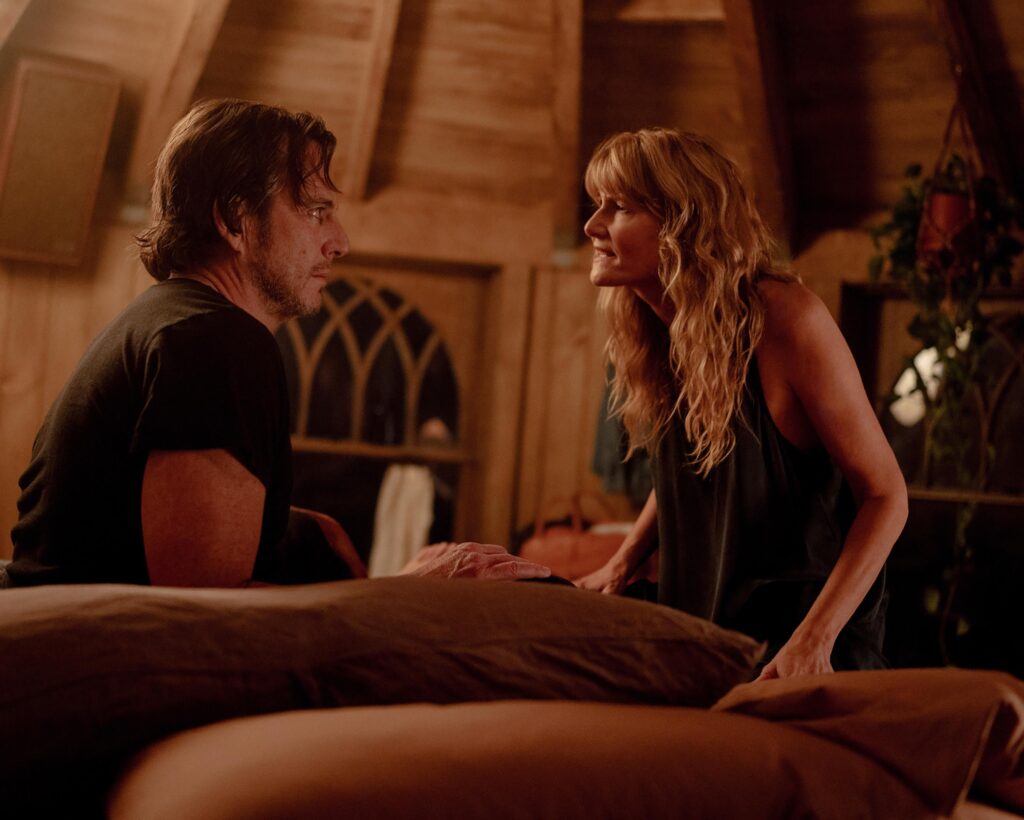
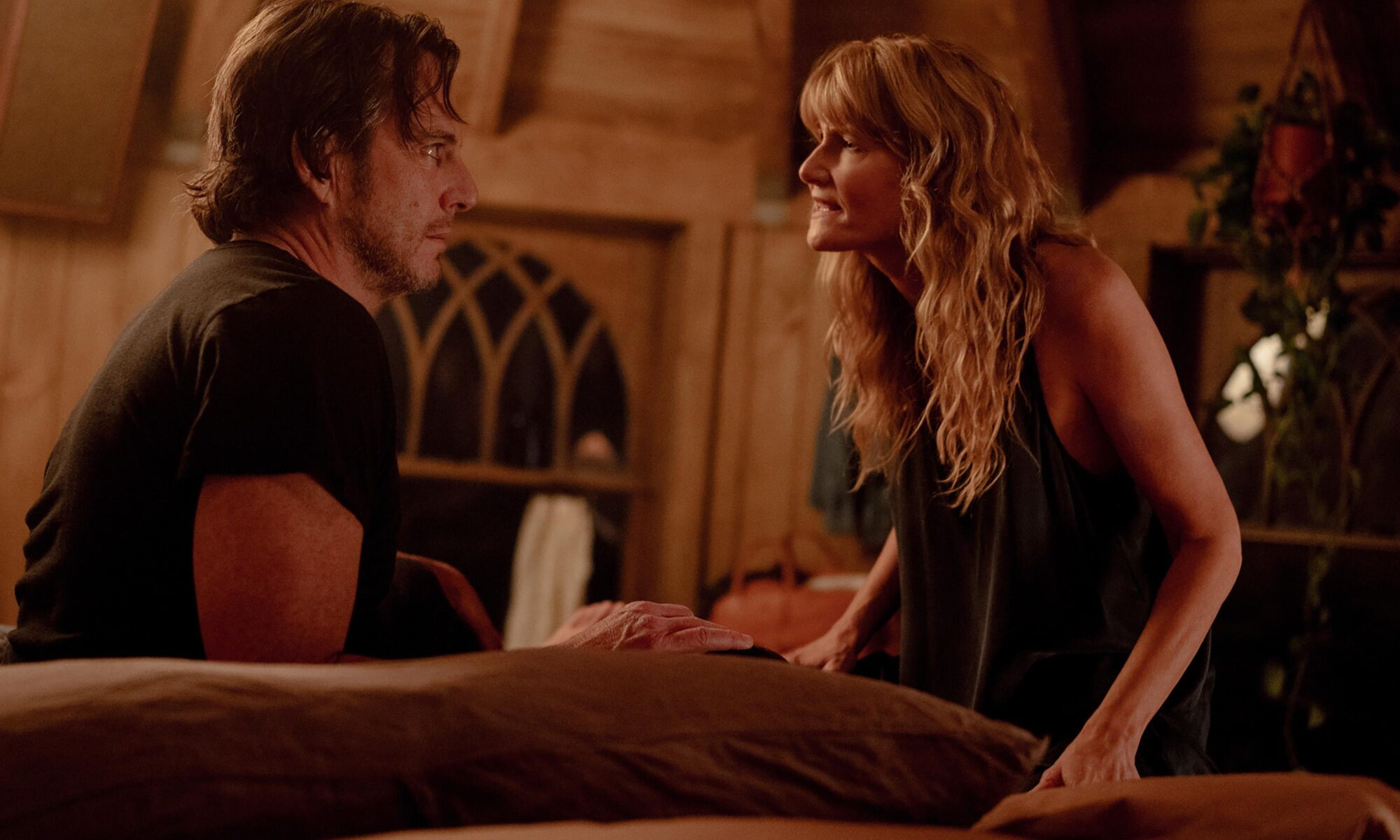
#26) Is This Thing On? – What this feel-good divorce movie lacks in bite, it more than makes up with with heart and good acting. Having gone through something somewhat similar to this, ending a long relationship between people who still care deeply for one another, I found it beautiful grown-up and is immensely aided by strong performances by Will Arnett, and especially, the always terrific Laura Dern.
It’s the first of Bradley Cooper’s directorial efforts that I liked, and he does a nice job telling this story. Sure, it has a typically Hollywood wrap-up moment, but I felt it was well-earned. Cinematographer Matthew Libatique (who won a Chlotrudis Award for his early work for Darren Aronofsky’s PI) captures both New York City, and the people involved in this story really nicely. I was pleasantly surprised at how much I was absorbed and enjoyed this 2-hour plus film.
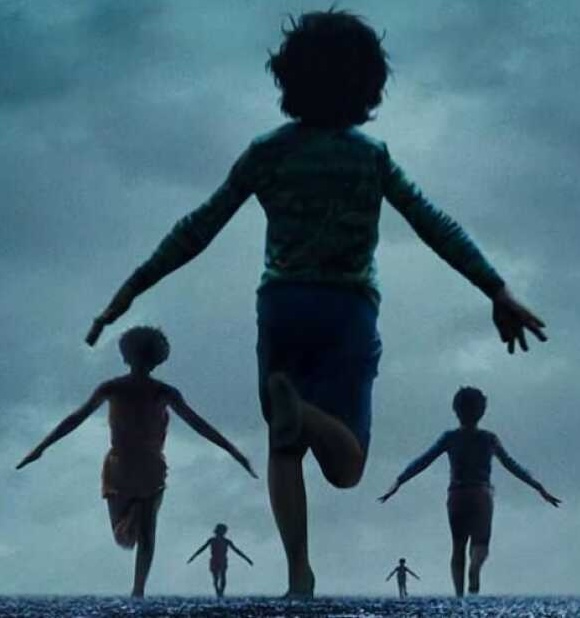
#27) Weapons – A film where the execution is almost as good as the premise! You know I’m not a fan of horror movies, but every now and then one intrigues me enough to see, and this one didn’t let me down.
One night at 2:17 am, in a quiet suburban town, every child from Justine Gandy’a third-grade class except for one, ran out of their house and vanished into the night. When days go by with no clues as to what might have occurred, town suspicion’s are running high especially as directed toward Justine. One father in particular, Archer, takes investigations into his own hand. Meanwhile, we take a look in on young Alex Lilly, the one child who did not vanish, and the unusual goings-on in his home.
With a wonderfully bravura performance that won her an Oscar, from Amy Madigan, Weapons kicks off with an eerie visual of a mysterious night flight, and ends with a visceral horror that serves as a much-needed release. A surprisingly effective and entertaining film.
#28) Sorry, Baby – Debut film from writer/director/lead actor, Eva Victor, is a somber, dramaedy, about a young woman struggling with a traumatic past event that she can’t seem to shake, despite her best efforts to put it behind her. Teaching in the small New England University from which she graduated, Agnes lives a fairly solitary life; her best friend and former college roommate has moved to New York City and they see each other sporadically. She is also one of the few people in Agnes’ life who knows what happened.
“Victor tells her story with an unusual cadence, first introducing her main characters in a more light-hearted reunion, so as not to have the past events overshadow their lives, despite the fact that a it does. I actually found the first quarter of the film somewhat off-putting with little to connect to, but once the meat of the story started to kick in, and the narrative began to jump around in time, I fell into Victor’s unusual story-telling rhythms and the film found its pace. The high point for me was a very strong scenes between Agnes and Pete, a grumpy townie with whom she has an initially unsettling encounter. Victor plays Agnes with a quirky sensibility that also came across in the post-film Q&A, so I suspect it’s part of her own personality. It would have been an interesting experience to see her film told with a different actor playing the lead. Lucas Hedges has a lovely supporting role, and John Carroll Lynch nails it as the grumpy Pete.
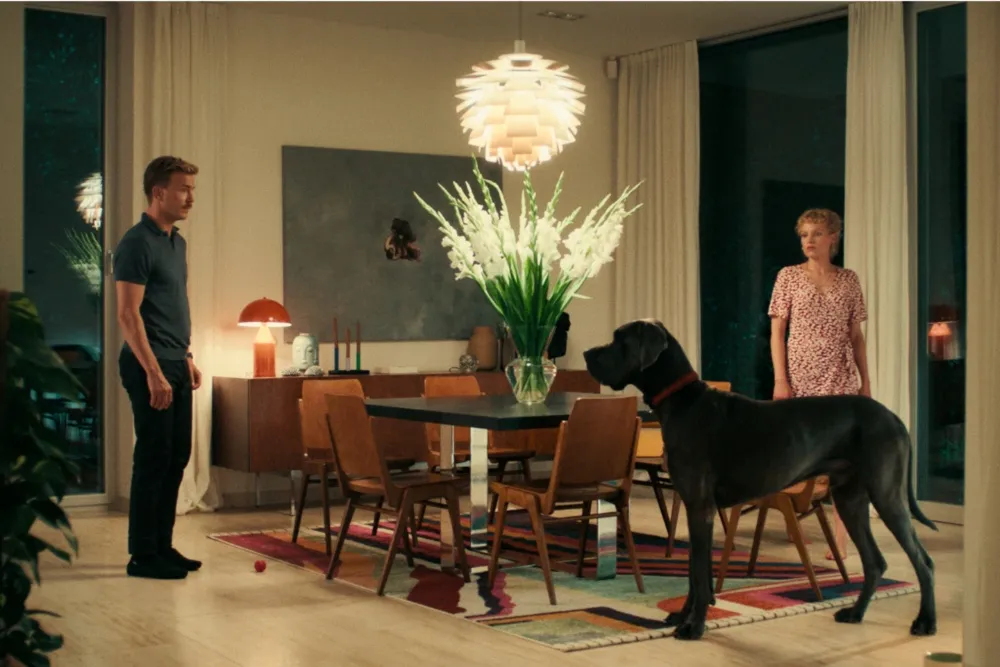
#29) Peacock – Matthias works for a company that hires out ‘companions,’ friends, partners, family members, whatever you need for your given circumstance. Need a date for an important event? Need a son to show what a good father you are? Need someone to practice arguing with so you can stand up to your sometimes unreasonable husband? Matthias is your man. Matthias is so agreeable, that he doesn’t seem to have any options of his own, in fact, his girlfriend isn’t even sure he’s a real, three-dimensional person anymore.
“When confronted with this, Matthias is stunned, and tries to figure out what’s wrong. The film explores several directions that are both funny and cringe-worthy, eventually spiraling to a grand finale that is an apt conclusion, but doesn’t truly resolve anything.
“I was left a little bit underwhelmed immediately after seeing the film, but it has grown on me with time. First time feature writer/director Bernhard Wenger has constructed an amusing dark comedy that explores the things we give up to make others happy or comfortable. and lead actor Albrecht Schuch is pretty remarkable and entertaining as the beleaguered Matthias.
#30) Misericordia – This curious, oh-so French film from filmmaker Alain Guiraudie, explores how the residents of a small village react to the return of a prodigal for the funeral of his mentor. Jérémie returns to his hometown to attend the funeral of a former boss. With no plan on where or how long he will stay, he accepts an invitation to stay with the boss’ widow. His return affects the small community from the widow’s son, an old friend and neighbor, the village priest and the widow herself, as Jérémie’s charismatic presence eventually inspires a moment of violence that involves the local police.
This dark comedy verges into Dupieux territory with deadpan, absurdist humor and rampant, unexplained desire. Félix Kysyl embodies the enigmatic Jérémie perfectly, and it was lovely to see Catherine Frot (from Lucas Belvaux’s THE TRILOGY) as the widow. A big step up (for me) from Guiraudie’s much-lauded STRANGER BY THE LAKE.
Favorite Books Read in 2025 — Beyond the list
A year ago as I pulled together my list of my favorite books read in 2024, I decided I had to up my game. After dipping to a low of reading fewer than 20 books in a year, I’d been slowly bringing that number back up, but slipped in 2024 to reading just 17 books. I decided to give myself ambitious goal to read 50 books in 2025. It was definitely a stretch, but I wanted to commit to reading more. While I didn’t make my goal, I did complete 45 books in 2025, and felt very good about that. This year, I will maintain that same goal and see how i do. With my impending retirement approaching, I hope I spend some of that tie reading more.
Before I start to write about my favorite books of the year, I would like to mention some disappointments, also rans, and other titles that fell outside of this list. I am going to start with the best book I read this year — that also happened to be a re-read.
Favorite Book Read in 2025 – The Forgotten Beasts of Eld by Patricia A. McKillip
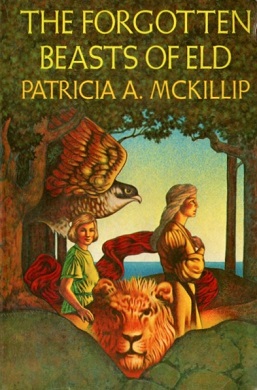
Patricia A. McKillip, absolutely my favorite fantasy author, and certainly one of my favorite authors period, got her start writing young adult novels in the 70’s. The first book of hers that I read was The Forgotten Beasts of Eld, published in 1974, and winner of the World Fantasy Award for Best Novel in 1975. It was her third published novel.
When I finished my re-read (probably my fifth or sixth over the years), this is how I reviewed it: “Re-read this classic fantasy novel by Patricia A. McKillip for the fourth or fifth time, and honestly it gets better and better every time. Quite possibly my all-time favorite fantasy novel. The way McKillip intertwines such disparate themes as love, power, revenge, self-reflection, manipulation, and family with her consummate skill at crafting poetic language is astounding. And it packs such a powerful emotional punch.”
The fact that this complex novel, with its adult relationships and hard-to-like female protagonist was marketed to young adults astounds me to this day, but it clearly worked, launching a major career for McKillip. The main character, Sybel, is one of the all-time great flawed heroes, and her journey to adulthood is a masterpiece. I remember I was enchanted by the “beasts” of the tale, mysterious, magical creatures that were enough to enthrall any young, fantasy-lovers mind, but i remember as a young boy how taken i was by Sybel’s tragic story. I look forward to reading this book over and over again.
Biggest Disappointment of 2025 – Songbird: An Intimate Biography of Christine McVie by Lesley Ann Jones
Not every book can be great… many aren’t even that good. If you’ve looked at my lists of favorites books of the past couple of years, you know that I have been on a journey reading memoirs of female rock & rollers for sometime. After the tragic loss one my all-time favorites, the incredibly talented Christine McVie of Fleetwood Mac, i was thrilled that, if not a memoir, at least a biography was being published about her. Sadly, it turns out to be my biggest disappointment of the year. I will let my review speak for itself.
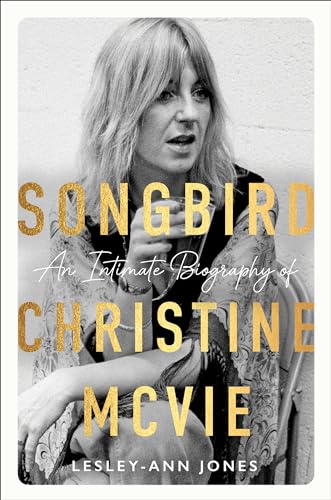
“This was a tough one: a mediocre biography about a fascinating, beloved icon. Lesley-Ann Jones “intimate biography” of Christine McVie is about a lot of things, but as an intimate look of the legendary performer’s life is not really one of those things.
“Fleetwood Mac front-woman and keyboard player was a very private person, and when her family refused to participate in the writing of her biography, there aren’t a lot of avenues to explore someone who has died. Instead Jones spends the first third of the book telling us about the history of the British village of Wickhambreaux and the region where Christine was born and raised. Slightly interesting, but adds way more than it needs to to provide some color to our subject.
“Granted, Jones was a casual friend/acquaintance of McVie’s, in the way many of the very extended Fleetwood Mac family were. In addition, most of the information she provides in the book seems to come from interview with other who either provide expert opinions (therapists) or were three, four, or five levels away from the woman in question, part of that massive entourage. Sure there were some quotes from her fellow band-members, but most of them came from previously published interviews.
“In the end, Songbird: an Intimate Biography of Christine McVie provides a whole lot of conjecture — some of which conflicts with other conclusions the author made. Surely any person, especially an internationally famous celebrity, can be painted with different brushstrokes in a 300-page book, sadly, Jones’ over-written book doesn’t give us much more than an article in the Rolling Stone magazine.”
Finally, before launching into my actual Top 20 books of the year, I include my list of also-rans” books that I enjoyed and are notable enough to mention here. Three books earned a spot on this list, a look at the roles of women in rock during the 90’s, a excerpt about chickens from a Sy Montgomery book, and a play that hit really hard
- Disgraced by Ayad Akhtar – Powerful, visceral examination of a successful lawyer confronted with this deeply ingrained Muslim upbringing and his own an his contemporaries beliefs and assumptions.
- What the Chicken Knows: a New Appreciation of the World’s Most Familiar Bird by Sy Montgomery – Originally written as a chapter in the book Birdology Sy Montgomery, author of The Sould of an Octopus remarkably does for the most prevalent barnyard fowl what she did for the massively intelligent cephalopod. Perhaps that’s a bit of hyperbole, after all, if you can pack everything there is to know about a chicken into a single chapter, perhaps they are not quite on the same level as an octopus? Still, Sy loves her flocks of chickens, and she conveys their intelligence, playfulness, and emotional lives convincingly. Of course, as you could no soubt surmise from the title of this blog, I already loved chickens, so it wasn’t too hard a sell.
- Pretend We’re Dead: the Rise, Fall, and Resurrection of Women in Rock in the ’90s by Tanya Pearson – Tanya Pearson spotlights women who fronted or filled out alternative rock bands throughout the 90’s and goes on to explore how politics and society removed these counterculture women from pop culture after 9/11. Some unnecessary repetition keeps the book from taking this important topic to a more energizing read, but still well researched with some great interview by such 90’s icons as Shirley Manson, Tanya Donnelly, Liz Phair, and Kristin Hersh.