We dip into the Top 5 today, and we also see the return of Jennifer Haigh with a second offering on this list. We also see a book of essays (the first and only non-fiction to appear this year) written by one of my favorite filmmakers,
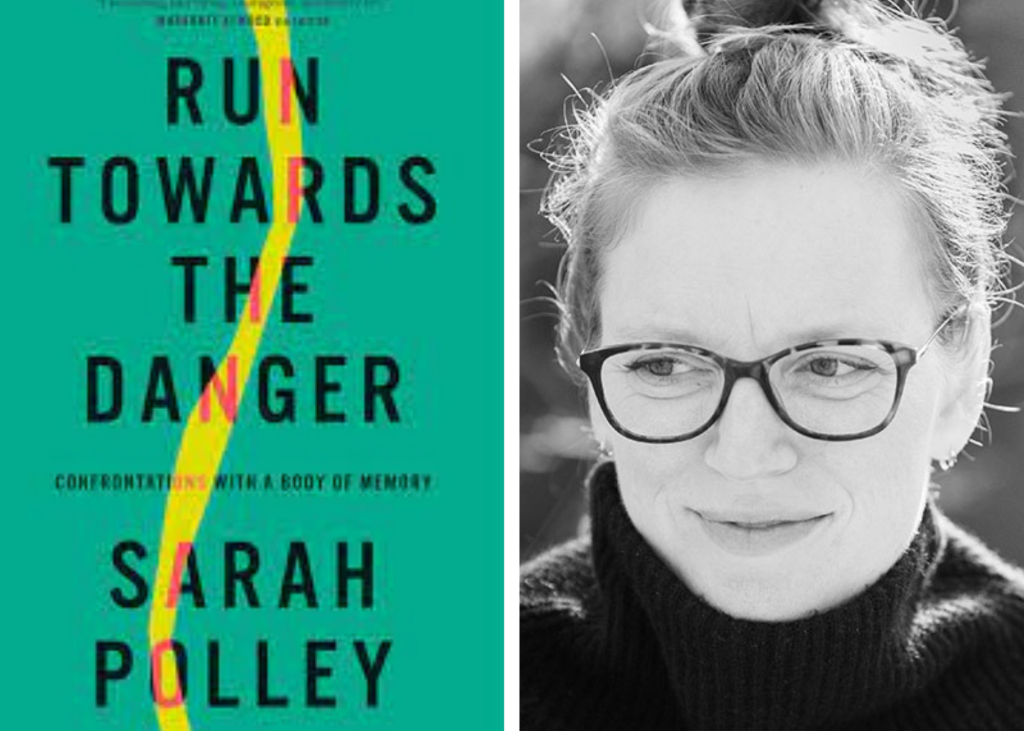 #5) Run Towards the Danger by Sarah Polley – With insightful, and introspective care, Polley chronicles some of the most difficult moments throughout her life and how they affected its trajectory. The challenges she focus on for her first book of essays are largely health issues, but sometimes brought about by the stresses and extremes she underwent as a child actor. Polley is unapologetic in her writing, yet she is also unflinching as she exposes her own neuroses, or drives, which sometimes come across as alienating. What always comes across, however, is the exploring, intelligent mind of a thoughtful, independent woman.
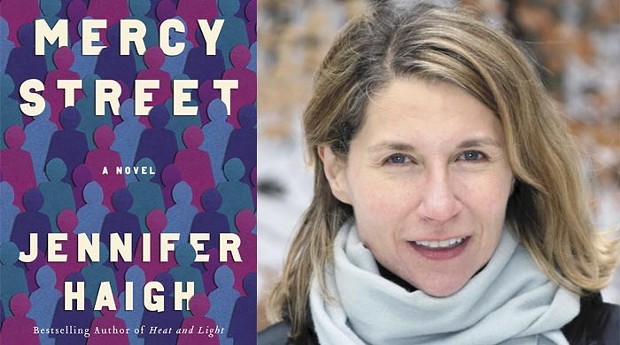 #4) Mercy Street by Jennifer Haigh – Jennifer Haigh has accomplished something remarkable in her latest novel, Mercy Street, about an abortion clinic in the heart of downtown Boston. By focusing on a variety of characters connected in some way to the clinic, their connections, however tenuous, and their lives, she lifts a potentially charged topic out of the political and grounds it securely in the personal. Haigh’s main character, Claudia, counsels patients at Mercy Street, the aforementioned clinic. Through her we meet a number of women, many quite young, who visit the clinic, but we also become involved in the life of Timmy, her pot dealer, one of his other clients, Anthony, and Anthony’s vaguely sinister online friend Victor, who goes by the name of Excelsior11.
The stories threads seem very disconnected at first, but they closely and skillfully weave together to tell a tale that is compassionate, even as it explores behaviors and beliefs that could potentially lead to violence. Haigh’s characters are unique and three-dimensional — it’s hard to put them into a single category. It’s a quick read, and a compelling one, and is a terrific addition to her strong body of work.
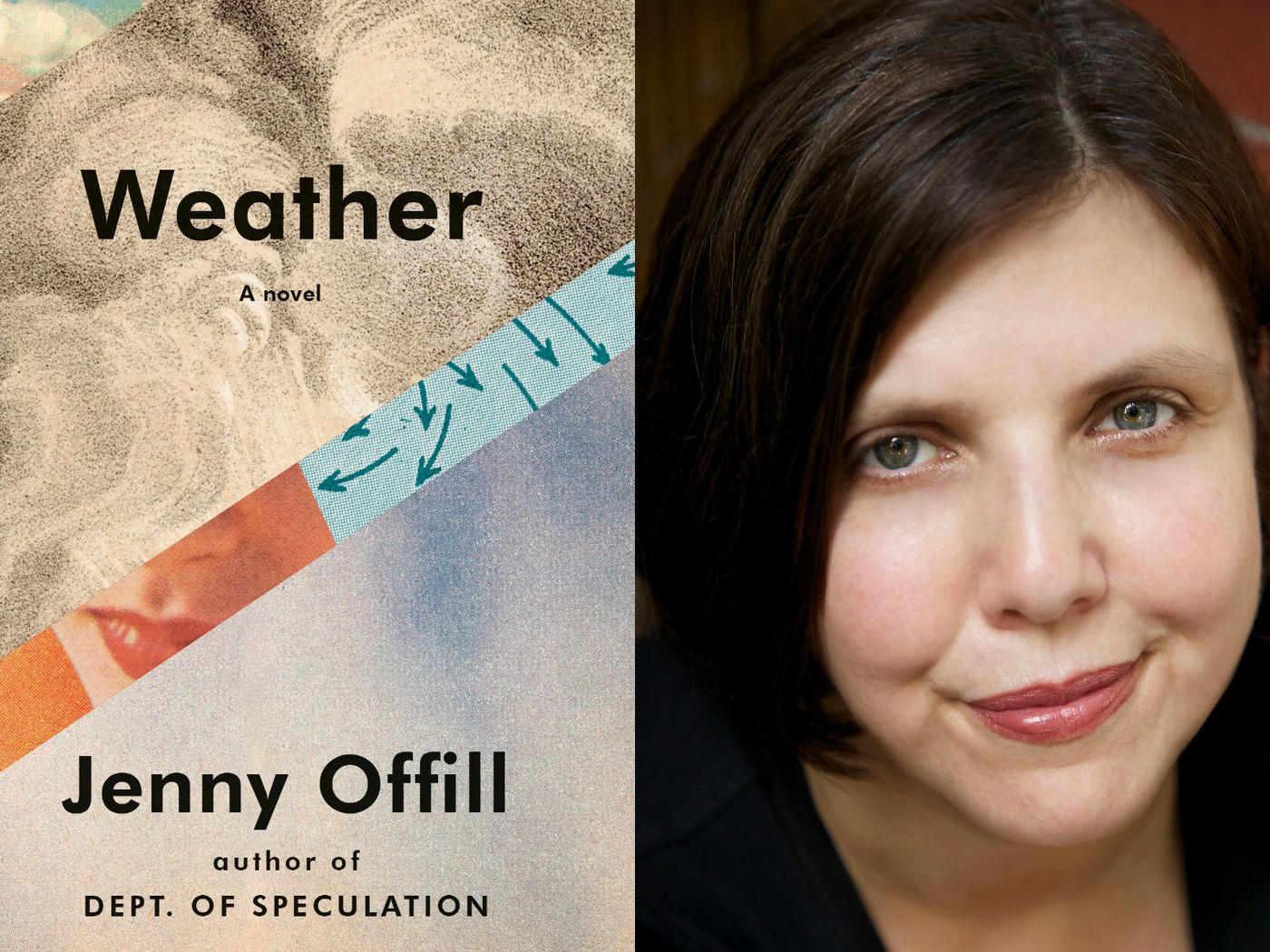 #7) Weather by Jenny Offill – Fascinating look at our moment in time as uniquely talented author Jenny Offill examines the political shift in America and how it affects us individually. Lizzie is the University library’s reference librarian who earns an additional job answering letters to a popular podcast hosted by her mentor. The podcast forecasts dark times ahead and many of the letters Lizzie handles treat her like a therapist doling out advice. Even as Lizzie gets caught up in her letter-writers’ angst, she juggles raising her young son, supporting her downward-spiralling brother, and alternatively fending-off an enticing potential affair. Offill’s writing is unique; short bits of insightful and arch observation that sometime seem disparate, but add up to a sobering yet entertaining whole.
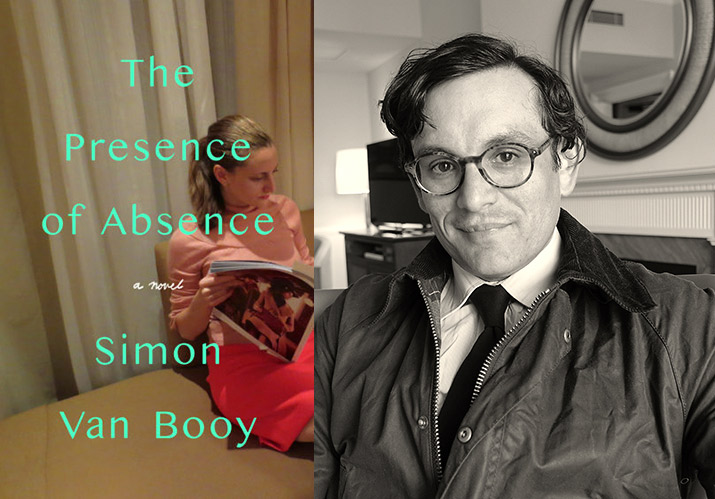 #8) The Presence of Absence by Simon Von Booy – In his elegant, thought-provoking prose, Simon Van Booy has created a beautiful gift to his fans; a fictional conversation of sorts between the author and his readers, speaking through the mouth of Max Little, an author who learns that he will die within a year or so. As his terminal disease advances, he ends up spending his last days in a hospital bed, reflecting on his life, his beloved wife, and the future… even beyond his passing. Through it all, he carries on a conversation with the reader, an asynchronous dialog that is happening as he writes it, but also as the reader reads it. The book is sectioned into two parts, “In Vivo” or, within the body, and “Ex Vivo” or, outside the living body. As you might imagine, the first part is told while Max is still alive, and the latter part years later.
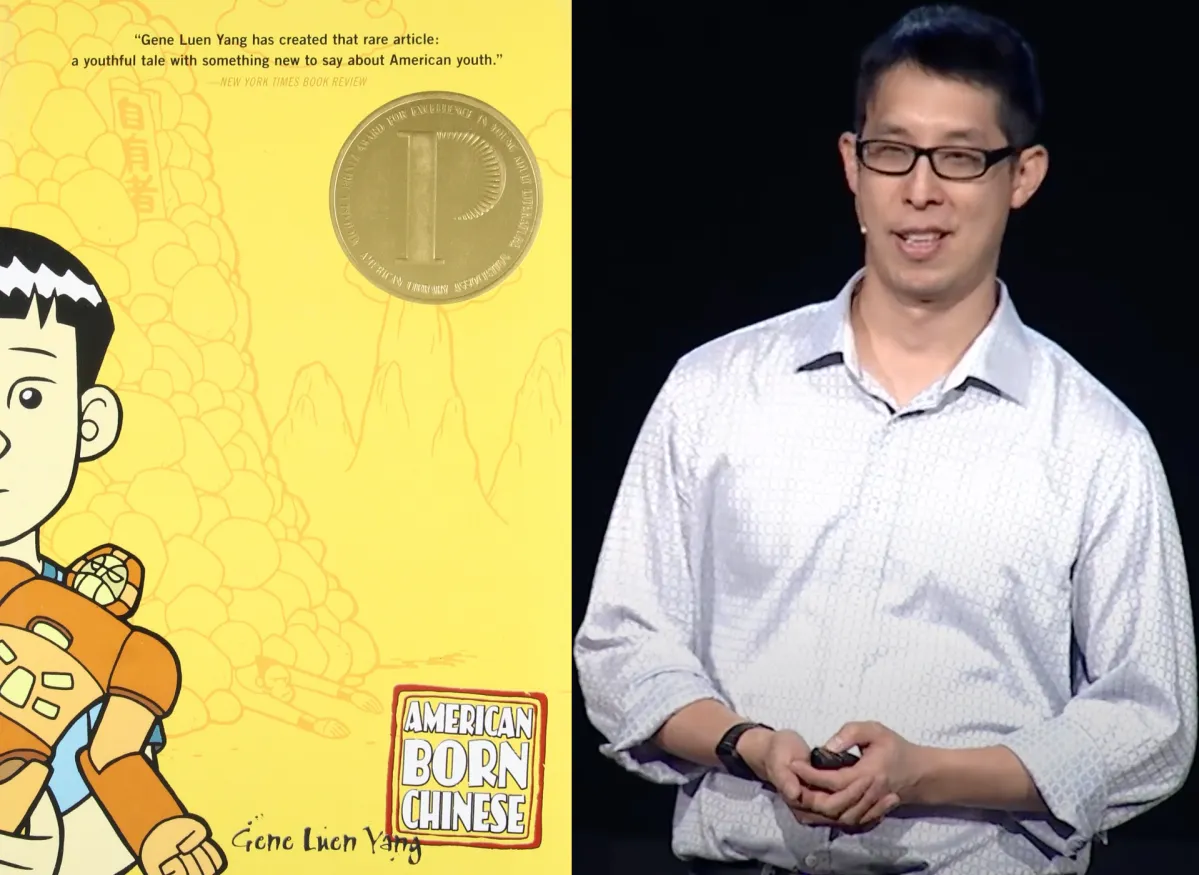 #9) American Born Chinese by Gene Luen Yang – Gene Luen Yang’s Award-winning graphic novel unfolds as three distinct stories that weave together by the book’s end. Jin Wang is the only Chinese-American student at this school, and he wants nothing more than to blend in. Danny is an All-American high school basketball star who is mortified when his Taiwanese cousin, Chin-Kee visits for a couple of weeks every year. The Monkey King strives for divinity, looking to transform his identity to something far more than he is. With an insightful eye on American youth, Yang creates a tale that will resonate with anyone.
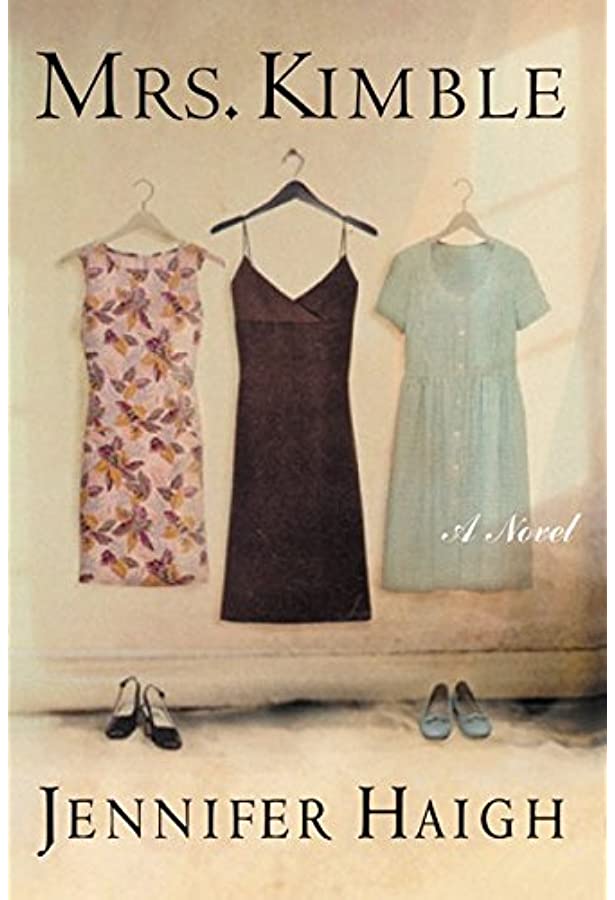 #8) Mrs. Kimble by Jennifer Haigh – Jennifer Haigh’s first novel is a tough read. Not in the sense that it is boring, or dense, or lacks punctuation or anything like that. The subject matter was just upsetting in a subtle way that felt like part of another time. Perhaps that’s a good thing in this day and age, but Mrs. Kimble focuses on a charming man of dubious ethics, who woos women, marries them, and then inevitably disappoints them. What upset me about this novel was the desperate way the three Mrs. Kimbles loved their husband. Not that it felt false, which was probably the most upsetting thing about it.
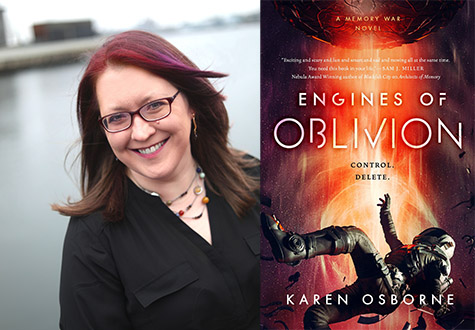 #11) Engines of Oblivion by Karen Osborne – Osborne’s second offering in her series, The Memory War, took some time to draw me in, but ultimately succeeded in telling a complicated story about the ongoing saga of first contact that turns to interstellar war, and the women who change the course of history. Engines of Oblivion picks up with Natalie Chan, a supporting character form the first installment of the series, Architects of Memory, who frankly, took a while to emerge back into my brain even after having read the previous novel only a year or so ago. The main characters from Architects do return, and their presence is felt throughout, but this is really Natalie’s story, and her evolving relationship with the Master Node of the mysterious Vai. The challenge with Osborne’s novels is that her plots are so dense, and convoluted, that I often don’t really know what’s going on. Ultimately, the characters are real enough, and the story engaging enough that it almost doesn’t matter that I’m missing the larger story she is trying to tell, but part of me is frustrated by that as well.
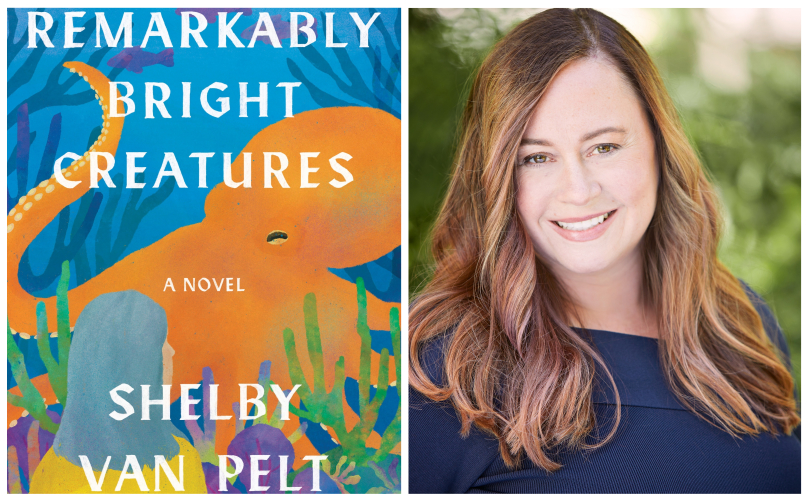 #10) Remarkably Bright Creatures by Shelby Van Pelt – This sweet story is, at its heart, a story about family lost and family reunited. 70-year-old Tova lives alone with the 30-year-old grief of her son’s death, ruled as a suicide. Her husband has also recently passed away, and Tova lives her solitary life in the the small tow of Sowell Bay, WA among the company of the KnitWits, friends who she enjoys, but more accurately tolerates. When Cameron, a young lost man comes to town searching for his father in a desperate attempt to get his life on track, the two invariably collide and find they have more in common than they could ever imagine. What makers Remarkably Bright Creatures stand out from its someone pedestrian, albeit well-constructed central story, is the only real joy in Tova’s life — her job cleaning at the Sowell Bay Aquarium, and the unusual relationship she develops with Marcellus, the Giant Pacific Octopus who is a resident there. How Marcellus affects the trajectories of both Tova and Cameron’s lives adds a unique twist to Shelby Van Pelt’s debut novel.
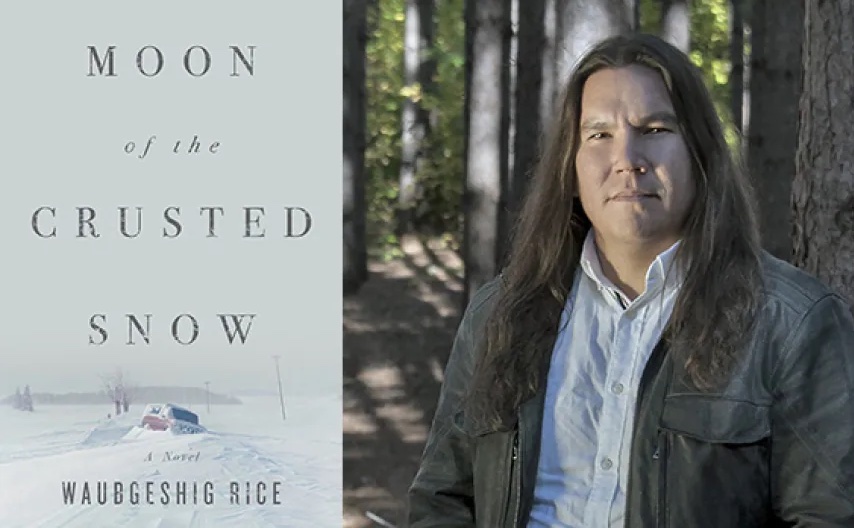 #13) Moon of the Crusted Snow by Waubgeshig Rice – This slight novel is filled with atmosphere. Far to the north, in a remote Anishinaabe community, winter approaches. When all power and networks suddenly fail, the people of the town find themselves cut off from the rest of the world, and it is only through a small number of unexpected arrivals do they learn this phenomenon is widespread. Where some folks have prepared for a long winter by following older traditions, like hunting to stock up on meat, others are ill-prepared, and it’s up to the community to support everyone. While things are tough in town, it soon becomes apparent that things are far worse in the larger cities to the South.
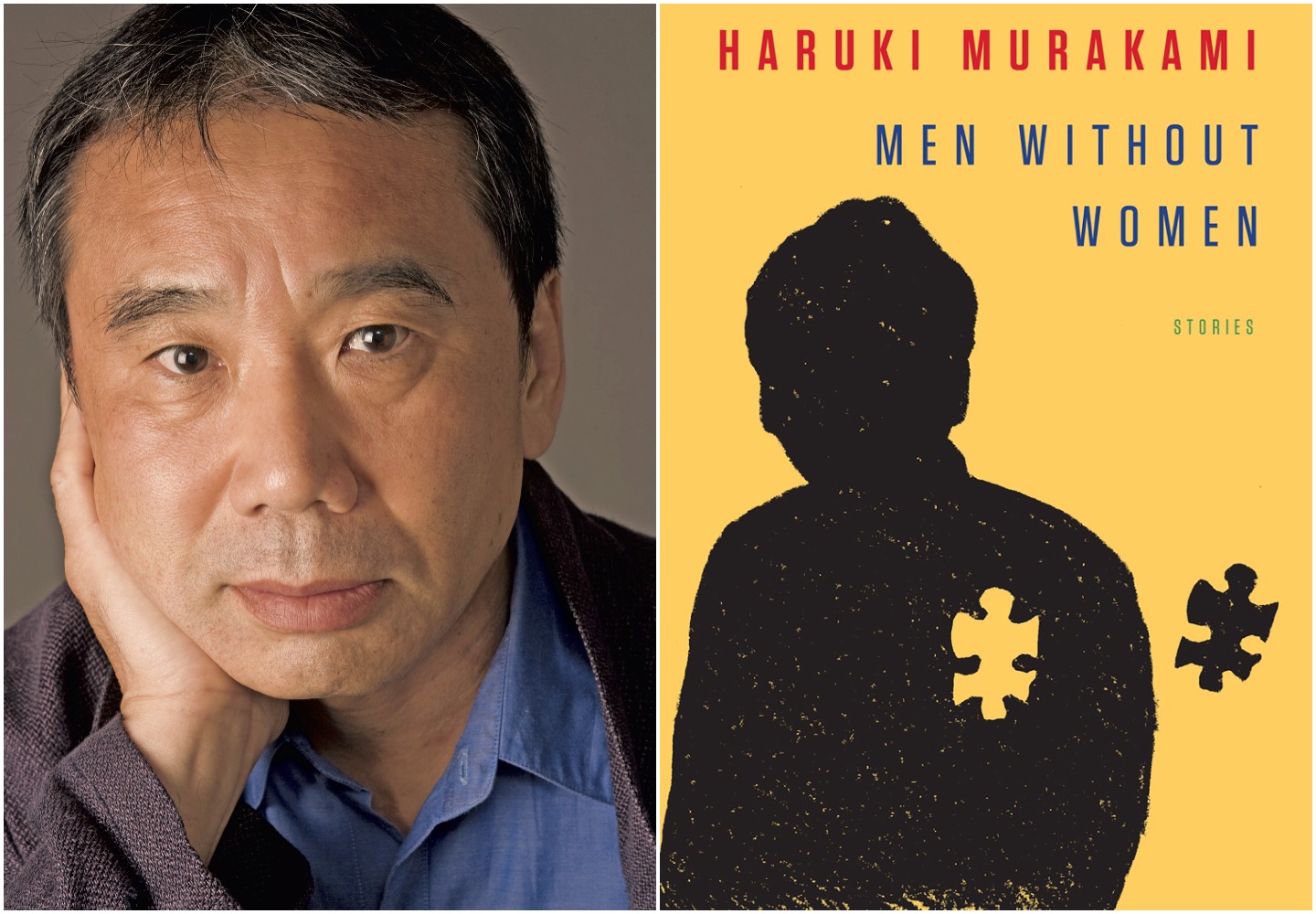 #12) Men Without Women by Haruki Murakami – Acclaimed Tokyo writer Haruki Murakami collection of short stories, Men Without Women, published in 2017, explores a variety of scenarios where men find themselves without women and their lives a thrown into upheaval. Two of the stories contained in this collection, ‘Drive My Car’ and ‘Scheherazade’ were combined to create the marvelous screenplay for the 2021 film, DRIVE MY CAR, by filmmaker Ryûsuke Hamaguchi to great effect, which is why I decided to read Murakami’s collection. While an adept and accomplished writer, I wish I could read the stories in the original Japanese, because I felt that the quality of the writing was impacted by the translator, two of which are used for this group of stories. The bulk of the stories in this collection were beautifully done, but a couple toward the end were not as strong.