So sorry it’s taken me so long to get to my five favorite films of 2025! You’d think retirement would have given me gobs of free time to catch on stuff like this, but that couldn’t be further from the truth. I’ve been traveling to film festivals, working on a gala for The Footlight Club, and just enjoying life.
Still before we start talking about the best films of 2026, it’s time to finish off my favorite films of 2025. While all five of these films have dark or emotionally powerful underpinnings, some might say the top two are actually comedies — something that is unusual for me. Of course, it’s the absurdist humor that I gravitate toward that these films share, so not terribly surprising. Also not surprising is, while two films are US indies, the top three are international films. Now let’s take a look at them!
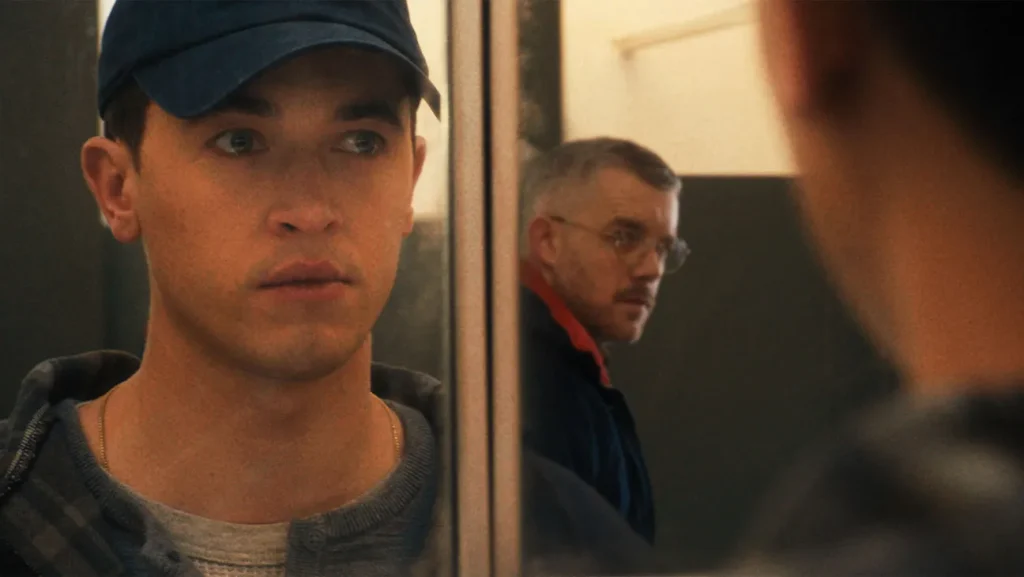
#5) Plainclothes – In a rare moment of synergy, my choice for the best film at the festival was also awarded the Narrative Audience Award at the Provincetown International Film Festival this year. This debut feature tells the story of Lucas, a young police officer in Upstate New York during the late 90s, working undercover to entrap gay men soliciting se in pubic restrooms. Trouble is, Lucas is a deeply closeted gay man, struggling with grief over the recent death of father, and the sudden feelings that fill him for one of his targets who he lets escape arrest. Director Carmen Emmi beautifully captures the interior anxiety from which Lucas suffers by using images and sound effectively, putting us inside his head when he becomes overwhelmed, and there is a lot to overwhelm him. His unexpected feelings for Andrew, one of his targets for arrest, overwhelm him, the way many people are overwhelmed the first time they feel this type of attraction His mother is also struggling with grief, as well as a brother-in-law who takes advantage of her good nature. He’s got a girlfriend who he feels guilty about deceiving, and the fact that he suddenly becomes unable to perform his job.
Emmi tells the story in a low-key, honest way, and lead actor Tom Blyth is so effective at connecting with the viewer, arousing sympathy and empathy through his understated performance. Russell Tovey is great as well as Andrew, the object of his affection who is unable to reciprocate due to his own life circumstances. Nice to see Maria Dizzia from last year’s CHRISTMAS EVE AT MILLER’S POINT as Lucas’ Mom. Things build to a powerful conclusion where all the anxiety and frustration simmering in Lucas erupts in a profound and satisfying way. A truly powerful and empathetic film.
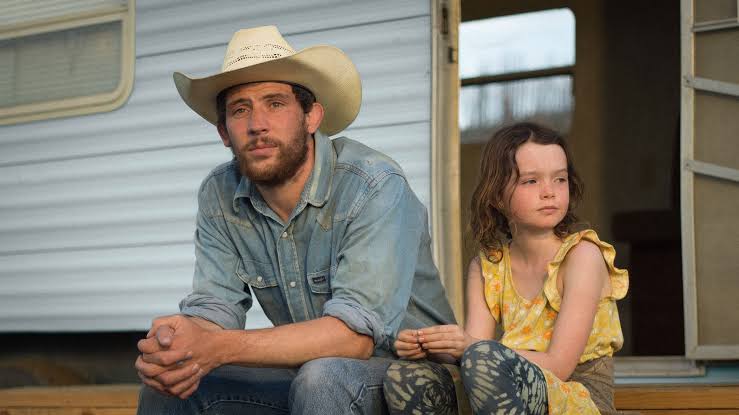
#4) Rebuilding – Max Walker-Silverman follows up his gentle romance, A LOVE STORY, with this warm-hearted, emotional tale of a community dealing with the after effects of a devastating wildfire. The ubiquitous Josh O’Connor (playing the compassionate version of his character in THE MASTERMIND) is a divorced dad of a young girl who finds himself in temporary trailer housing with a limited future ahead. There he meets others in a similar situation and begins to rebuild his life.
In a year of some really great Josh O’Connor roles this one has got to be the standout. He perfectly captures the sense of loss and helplessness after losing so much that makes up his identity, both his home, and his job. Walker-Silverman focuses on people on the fringes who are among the forgotten after an environmental tragedy such as this. After the California wildfires, the news was all about the California execs who lost their mansions, or suburban homeowners struggling to rebuild… still tragic, but there are those who have no real means to carry on after an event such as this. They rely on the government aid to keep them going, which rarely can carry them. The small group of folks Walker-Silverman follow is unique and feel very real. And what a find in Lily LaTorre who plays O’Connor’s young daughter.
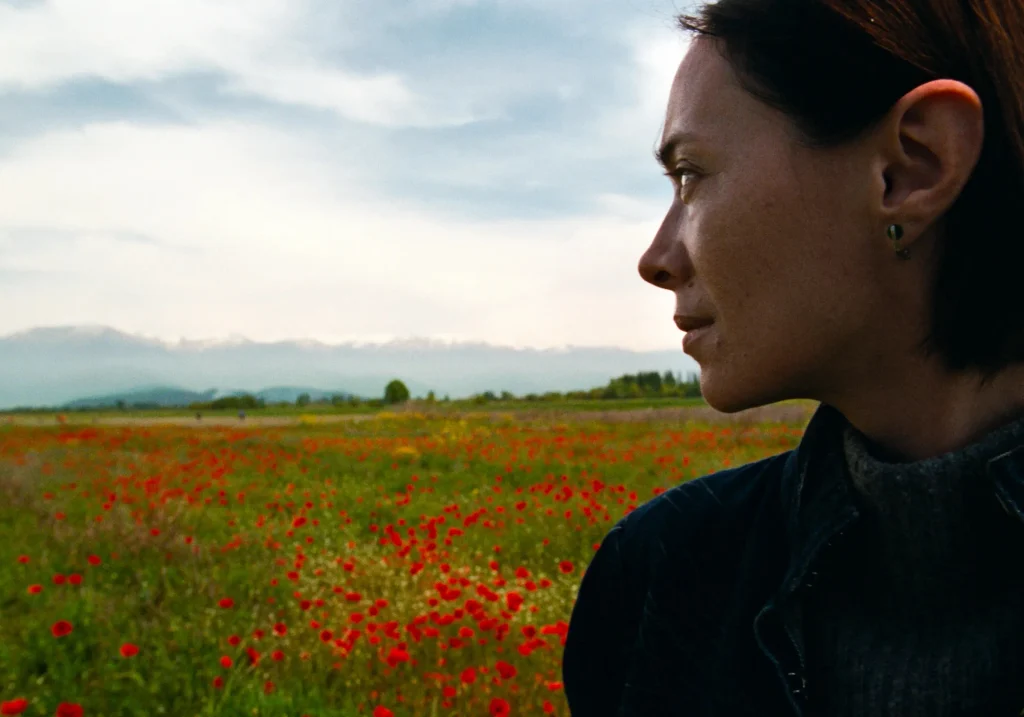
#3) April – This film both defies easy description, and my ability to rate it as I left the theater at the IFFBoston. I gave it 3 stars at the time, but after discussing it with my movie buddy Aaron for 20 minutes and letting it sit with me overnight, I now rank it 4 1/2 cats.
It’s been over a month since I saw this viscerally upsetting Georgian film about a obstetrics doctor who travels the Georgian countryside in her spare time providing gynecological care and abortions to villagers to poor or too uneducated to provide for themselves. With alternatively horrific and beautiful imagery, director Dea Kulumbegashvili has created a complex, absorbing portrait of a woman who makes choices out of necessity and a desire to do good, that also find her operating in an ethically murky environment. By participating in random, sexual encounters, and viewing herself as a monstrous, scarred husk of a woman in her mind our protagonist defies categorization. Kulumbegashvili also uses lengthy shots barren, tempestuous, or beautiful landscapes similar to Nuri Bilge Ceylon, to illustrate the disparate states of living for this community. Not for everyone, but if this sounds like your jam, I highly recommend it.
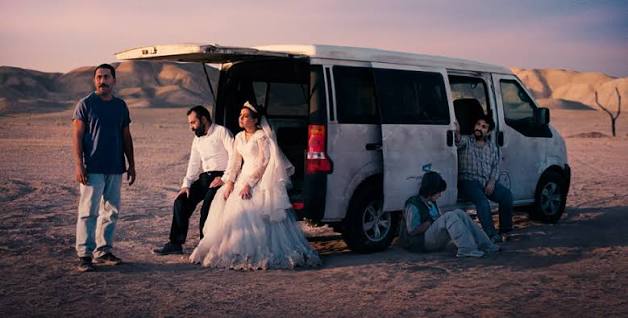
#2) It Was Just An Accident – Jafar Panahi’s celebrated film uses absurdist humor juxtaposed with psychological terror to exemplify the experiences of those who oppose the regime in Iran. The film follows a group of former political prisoners trying to decide how to deal with someone they believe was one of their torturers. When this person falls into their hands, they struggle to identify him because they were blind-folded for the duration of their imprisonment, and the main evidence they rely on is the sound his prosthetic leg makes when he walks. Beyond identifying the man, they also must decide what to do with him — kill him? Or something else?
The absurd humor comes from the varied group of five who hold this man in their custody, all emotionally and psychologically traumatized by their experiences. The circumstances they find themselves in range from frustrating to ridiculous, and the viewer will find themselves chuckling uncomfortably while watching the dark story. Eventually the story drills into the darkness and ends on a potentially chilling note, but despite being his most politically overt film, Panahi has created something complex, entertaining, and thought-provoking.
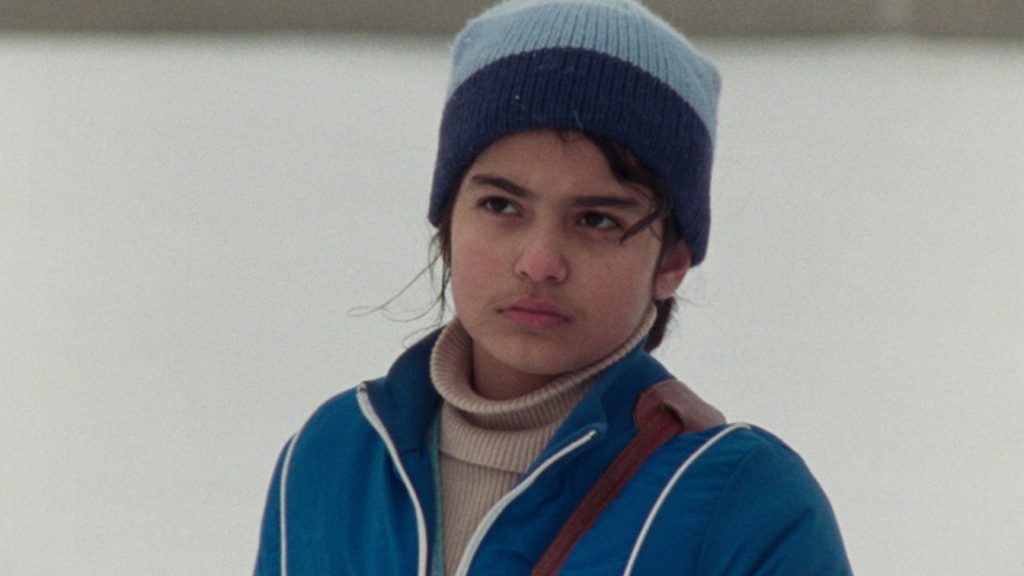
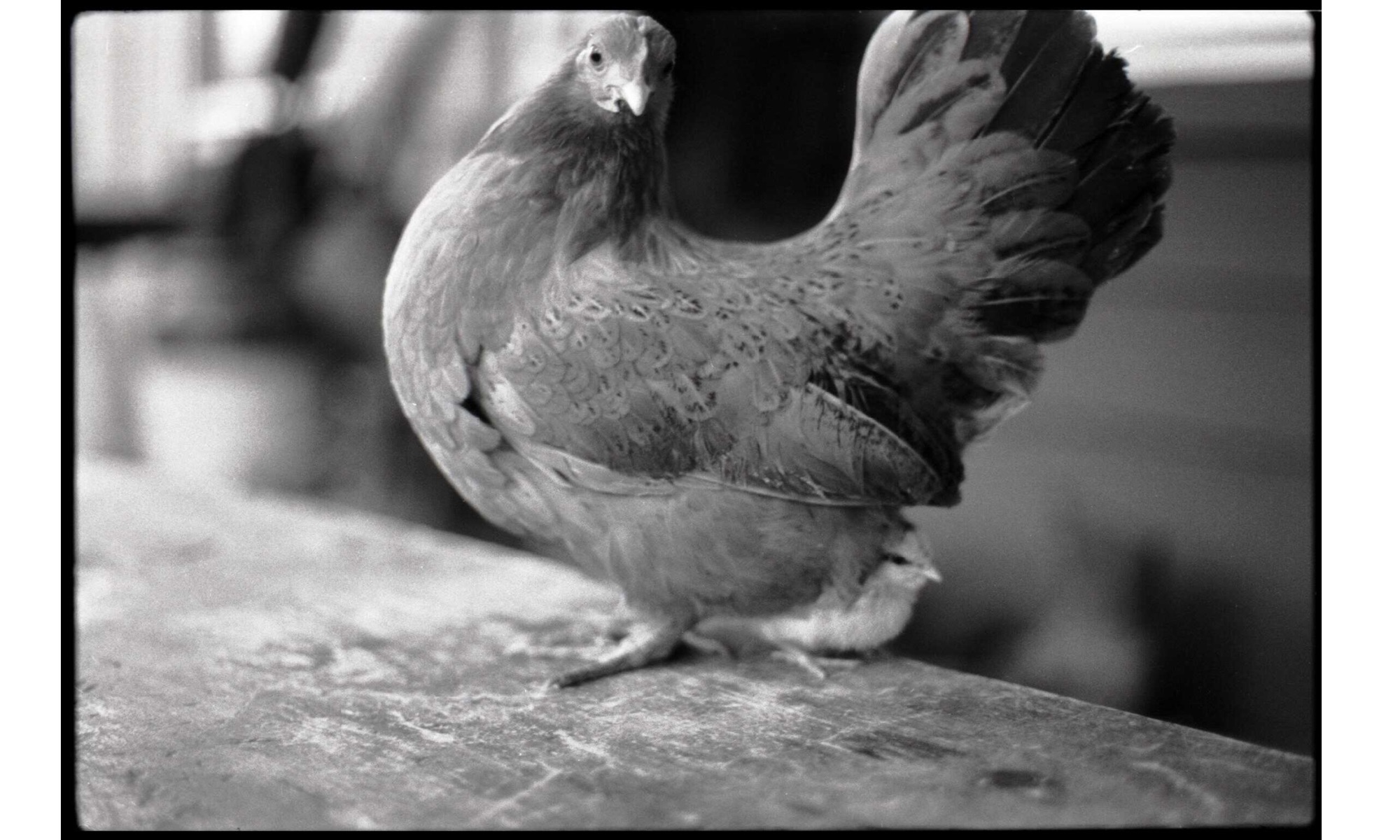
#1) Universal Language – Startling in its laugh-out-loud, absurd humor, reminiscent of so many filmmakers, yet beautifully original, this humanist tale travels to many outrageous destinations, sometimes with a turkey alongside for the ride. Somehow, the final result is astonishingly moving.
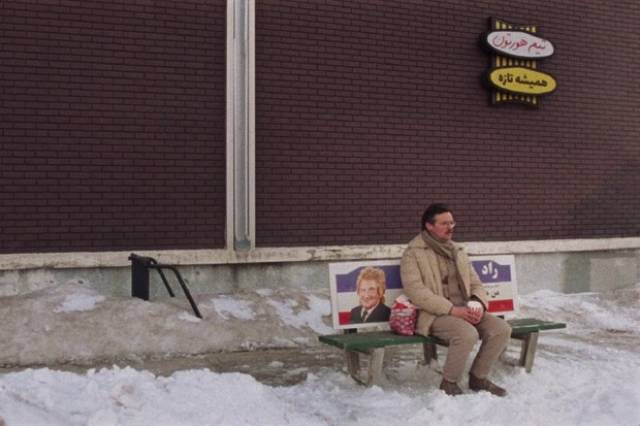
I hesitate to talk too much about the plot, as I knew next to nothing going into this film. What I can say is that Matthew Rankin’s previous film, The Twentieth Century was also a bizarrely absurd, surrealist, fictional history of a Canadian Prime Minister, complete with massive phallic ejaculating plants. Most closely compared to fellow Canadian filmmaker Guy Maddin, this film also takes place in Winnipeg (like Maddin’s lauded documentary, My Winnipeg), but it’s a Winnipeg unrecognizable to this reality. Rankin imagines a Winnipeg where Farsi is the dominant language (alongside French) as opposed to English. Persian culture as well, with Tim Horton’s reimagined as an exotic Persian tea-house.
Rankin plays the central character, an adminstrator from Montreal who quits his job to return to Winnipeg and visit his mother. His journey is one focused on his identity, and how it changes based on his circumstances in life. Along the way he meets an assortment of characters, young and old that ultimately help him on his path. It’s absurd, and ridiculous, but somehow profoundly moving.